Dogs · Grooming
Dog Nail Grinder vs Clippers: Which Tool Fits Your Routine?
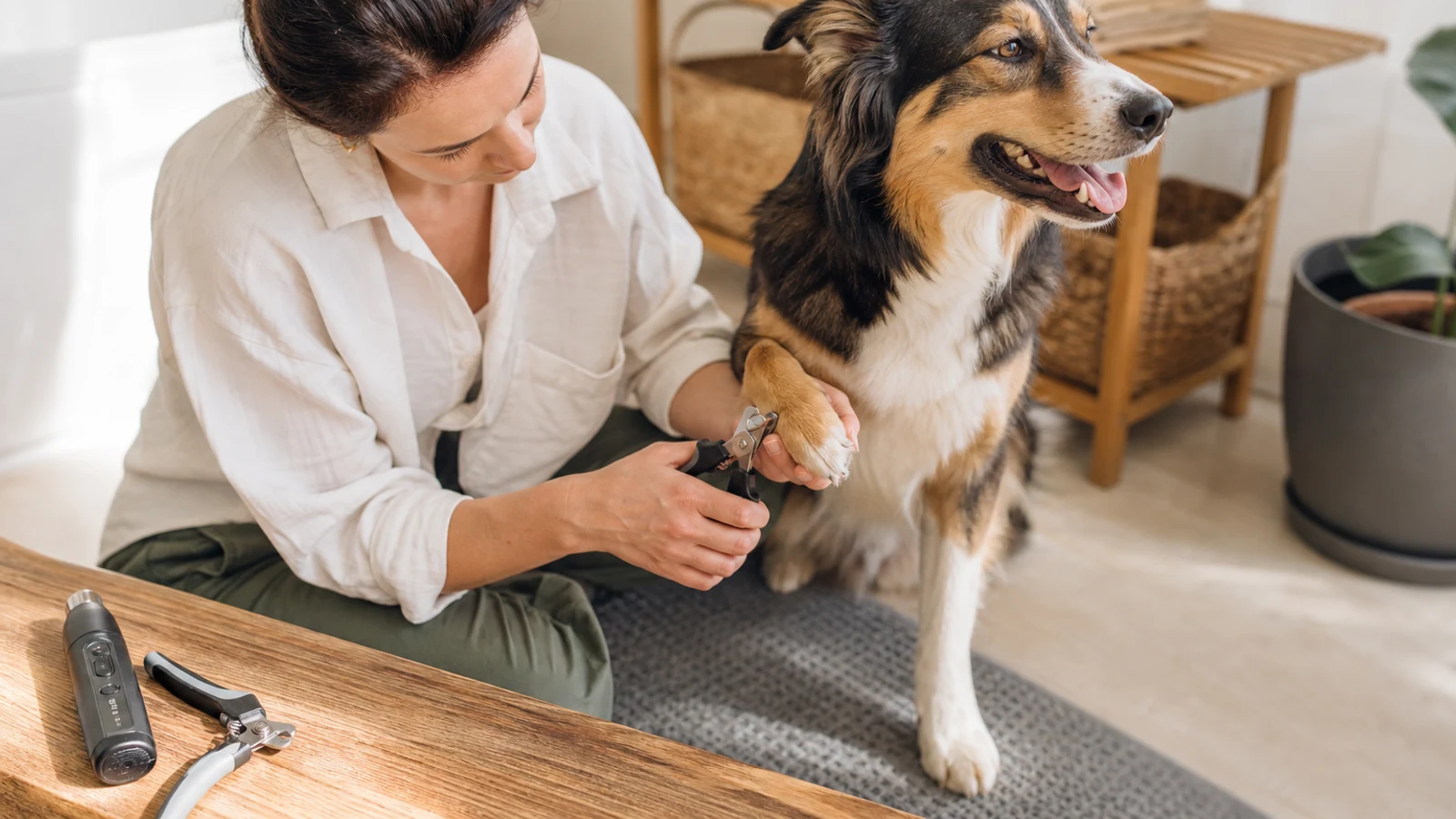
Dog nail grinders remove nail material gradually and leave a rounded edge, while clippers work faster and stay quiet. The better choice depends on your dog’s tolerance, nail visibility, nail thickness, and how confidently you can control the tool.
Quick answer
Choose clippers if your dog accepts paw handling, you want a fast and quiet trim, and you can see where to make conservative cuts. Choose a grinder if gradual removal gives you more control, your dog has dark nails, or you want to smooth sharp edges. A grinder is not automatically safer: it replaces cutting pressure with motor noise, vibration, dust, heat, and possible hair entanglement. For many households, using clippers for obvious length and a grinder for finishing can be practical, but only if your dog tolerates both.
Shop this guide
Current Amazon options
Six current listings related to this buying decision. Use the guide to compare fit and trade-offs, then verify the latest seller, price, size, and availability on Amazon.
As an Amazon Associate I earn from qualifying purchases. Product availability, seller, price, and listing details can change.
Key decision checks
The practical difference between clippers and grinders
Dog nail clippers remove a section of nail in one squeeze, so they are usually the quicker option. Scissor-style clippers can suit larger or thicker nails, while guillotine-style models place the nail through an opening before a blade cuts it. The main handling challenge is judging how much nail to remove before reaching the quick, the sensitive inner tissue containing blood vessels and nerves.
A grinder uses a rotating abrasive surface to file away small amounts. That slower, incremental approach lets you inspect the nail repeatedly and can leave a smoother, more rounded edge. It also introduces motor sound, vibration, airborne nail dust, heat from prolonged contact, and a rotating part that can catch long hair if the coat is not held away.
- Clippers: faster, quieter, and simple to store, but each cut removes a fixed amount.
- Grinders: gradual and useful for smoothing, but slower and more demanding during introduction.
- Neither tool removes the need for calm paw handling, good lighting, and a conservative approach.
Choose clippers when speed and quiet matter most
Clippers are often the better fit for a dog that dislikes mechanical sounds or vibration but accepts brief paw handling. They also make sense when the nail has a clearly safe tip to remove and the handler can position the jaws accurately. A sharp, correctly sized clipper should cut cleanly; a dull or poorly matched tool can make the process harder and may crush or split the nail rather than making a clean cut.
The trade-off is less forgiveness if you remove too much at once. With pale nails, the quick may be easier to identify. With dark nails, the interior is harder to judge from the outside, so small cuts and frequent inspection are more important. If you feel uncertain about positioning, ask a veterinary professional or experienced groomer to demonstrate on your dog rather than relying on a guard or fixed measurement.
- Pick clippers when your dog strongly dislikes motor noise or vibration.
- Consider scissor-style clippers for substantial nails and guillotine-style clippers when their opening fits the nail comfortably.
- Replace or service a tool when the blade no longer cuts cleanly or the handles and alignment feel unreliable.
Choose a grinder when gradual removal improves your control
A grinder can suit dogs with dark nails because you can remove a small amount, pause, and inspect before continuing. It can also be useful when you want to round rough edges after clipping. Some dogs that resist the sudden squeeze of clippers accept gradual filing; others find the motor sound and paw vibration more upsetting, so the dog’s response matters more than the tool’s reputation.
A grinder still can reach the quick. It is not a quick detector, and a guard or light should not be treated as a guarantee of safe positioning. Prolonged contact can create heat, while loose hair can wrap around a rotating head. Keep the dog’s coat clear, use short passes rather than holding the abrasive surface in one place, and follow the manufacturer’s operating and cleaning instructions.
- Pick a grinder when you prefer incremental control or need to smooth sharp nail edges.
- Introduce the sound and vibration separately before touching the paw with the running tool.
- Stop if your dog repeatedly pulls away, freezes, pants heavily, struggles, or shows escalating fear.
Match the tool to your dog’s temperament and nail condition
The best tool is the one that lets you work without force. A calm dog with thick nails may be easy to manage with clippers, while a dog with dark nails may make a grinder feel more controllable. Conversely, a noise-sensitive dog may do better with quiet manual clippers, even if the handler would prefer the grinder’s gradual action. Nail color alone should not decide the purchase; consider the dog’s tolerance, the handler’s confidence, and the nail’s current length and shape.
Overgrown, curled, split, or painful nails deserve extra caution. Long nails may require several conservative sessions rather than one aggressive trim, particularly if the quick has grown forward. A nail that is torn, bleeding without settling, swollen, discolored, or close to the skin should be assessed by a veterinarian. Product choice cannot correct an injury or replace an individualized nail-care plan.
- For a noise-sensitive dog: start with quiet clippers if you can use them confidently.
- For a dog that dislikes sudden pressure: gradual grinder training may be worth trying.
- For dark or very long nails: use small steps and consider professional instruction before working at home.
- For fear, pain, repeated struggling, or a damaged nail: pause and contact a veterinarian or qualified groomer.
Compare options for your pet
Dog Nail Grinder vs Clippers: Which Tool Fits Your Routine?
Compare current Amazon listings using the fit and safety checks in this guide. Confirm size, specifications, seller and availability before ordering.
See on Amazon →As an Amazon Associate I earn from qualifying purchases. Links open Amazon search results; individual listings have not been independently verified.
What to look for when buying either tool
Buy for control and fit rather than for a feature label. A comfortable handle, clear view of the nail, and a tool sized for your dog’s nails are more useful than a promise that a product is universally safe. For a grinder, consider whether replacement abrasive parts are available, how the guard affects visibility, how easily the tool can be cleaned, and whether its controls are easy to operate while supporting a paw.
For clippers, check that the cutting opening matches the nail size and that the blade closes evenly. A lock can help with storage, but it does not make a trim safe by itself. For either category, choose a design that allows you to stop immediately, keep your fingers away from the cutting or abrasive area, and maintain a stable grip on both the tool and the paw.
- Confirm the tool is intended for dogs and suits your dog’s nail size.
- Prioritize visibility, grip, clean operation, and easy shutdown or release.
- For grinders, check abrasive-part replacement and hair-management instructions.
- Keep a clean cloth and an appropriate pet first-aid product available for a minor trimming accident.
A low-stress routine matters more than the tool
Introduce nail care in stages instead of trying to complete every nail during the first session. Start with brief paw touches and rewards. Let your dog see and investigate the inactive tool. If using a grinder, add the motor sound at a distance before bringing it near the paw. When the dog remains relaxed, work on one nail or even one brief contact, then stop while the experience is still manageable.
Use a stable, nonslip surface and good lighting. Support the toe gently without twisting the paw, remove only a small amount, and take breaks. You do not have to finish all four feet at once. A short, predictable session is more useful than forcing completion and making future handling more difficult.
- Practice paw handling before introducing the cutting or grinding action.
- Reward calm behavior and end sessions before the dog becomes distressed.
- Keep fur away from a rotating grinder and avoid prolonged contact that may create heat.
- If a nail bleeds, stop and apply gentle pressure; seek veterinary help if bleeding does not settle, the nail is torn, or pain is substantial.
Which option fits common household situations?
For a household that values speed, quiet operation, and occasional maintenance, clippers are usually the simpler routine. They work best when the handler can see a safe amount to remove and the dog accepts a brief, controlled squeeze. For a household that prefers gradual progress, needs to smooth edges, or feels more confident watching the nail change little by little, a grinder may be the better primary tool.
A combination can also make sense: clippers can remove clearly excessive length, while a grinder smooths the edge or handles small follow-up adjustments. That is not automatically better, because it exposes the dog to two tools and may lengthen the session. Start with the method your dog tolerates and your hands can control accurately; consistency is more valuable than owning both.
- Choose clippers for fast, quiet maintenance when you can judge the cutting margin.
- Choose a grinder for incremental filing, rounded edges, or greater comfort with gradual removal.
- Use both only if the dog tolerates both and the combined routine stays calm and brief.
- Choose professional grooming or veterinary support when home handling is unsafe or consistently distressing.
Common questions
FAQ
Is a dog nail grinder safer than clippers?
Not automatically. A grinder can reduce the amount removed at one time, but it can still reach the quick and adds risks from noise, vibration, heat, dust, and hair entanglement. The safer choice is the tool the handler can control accurately while the dog remains calm.
Are clippers or grinders better for black dog nails?
A grinder may make gradual inspection easier because you remove small amounts and can pause often. Clippers can still be used conservatively, but the handler should avoid taking a large cut based only on the nail’s outside appearance. A veterinarian or experienced groomer can demonstrate a safe approach.
Can a grinder replace dog nail clippers?
Often, but not always. A grinder can maintain nail length and smooth edges, while clippers may be faster for removing clearly excessive length. Some households keep both, but using one well-tolerated tool consistently is preferable to switching methods during a stressful session.
How do I introduce a grinder to a nervous dog?
Begin with paw handling and rewards while the grinder is off. Next, let the dog hear the motor from a comfortable distance without touching the paw. Gradually reduce the distance only while the dog stays relaxed, then practice brief contact before attempting actual filing. Stop if fear escalates.
What should I do if I cut the quick?
Stop the trim and apply gentle pressure with a clean cloth. A pet styptic product may be appropriate for a small trimming injury when used according to its directions. Contact a veterinarian if bleeding does not settle, the nail is torn, pain is significant, or the injury is near the nail base.
When should a professional trim my dog’s nails?
Use a veterinarian or qualified groomer when your dog panics, bites, cannot be safely positioned, has severely overgrown or damaged nails, or needs a gradual handling plan. A professional can show you tool positioning and help determine whether additional veterinary or behavior support is appropriate.
Sources & further reading
Where the factual guidance comes from
Ready to choose?
Dog Nail Grinder vs Clippers: Which Tool Fits Your Routine?
Compare current Amazon listings using the fit and safety checks in this guide. Confirm size, specifications, seller and availability before ordering.
See on Amazon →As an Amazon Associate I earn from qualifying purchases. Links open Amazon search results; individual listings have not been independently verified.
Keep researching