Shop by pet
Dog products for real everyday life.
Buying guides and comparisons for walking, feeding, grooming, cleanup, travel, comfort, enrichment, and the routines that make life with dogs easier.

Common shopping needs
Start with the job the product needs to do.
A better product decision starts with the animal, the household, and the specific problem you are trying to solve.
Our approach
Useful before persuasive.
We separate documented specifications from editorial judgment, avoid invented hands-on claims, and make trade-offs visible instead of forcing every comparison into a universal winner.
Shop dogs
Current Amazon options for dogs households
A small set of live product listings connected to the shopping needs covered on this page. Use the guides below to understand the trade-offs before choosing a specific product.
As an Amazon Associate I earn from qualifying purchases. Product availability, seller, price, and listing details can change.
Latest for dogs
Buying guides and comparisons
Feeding
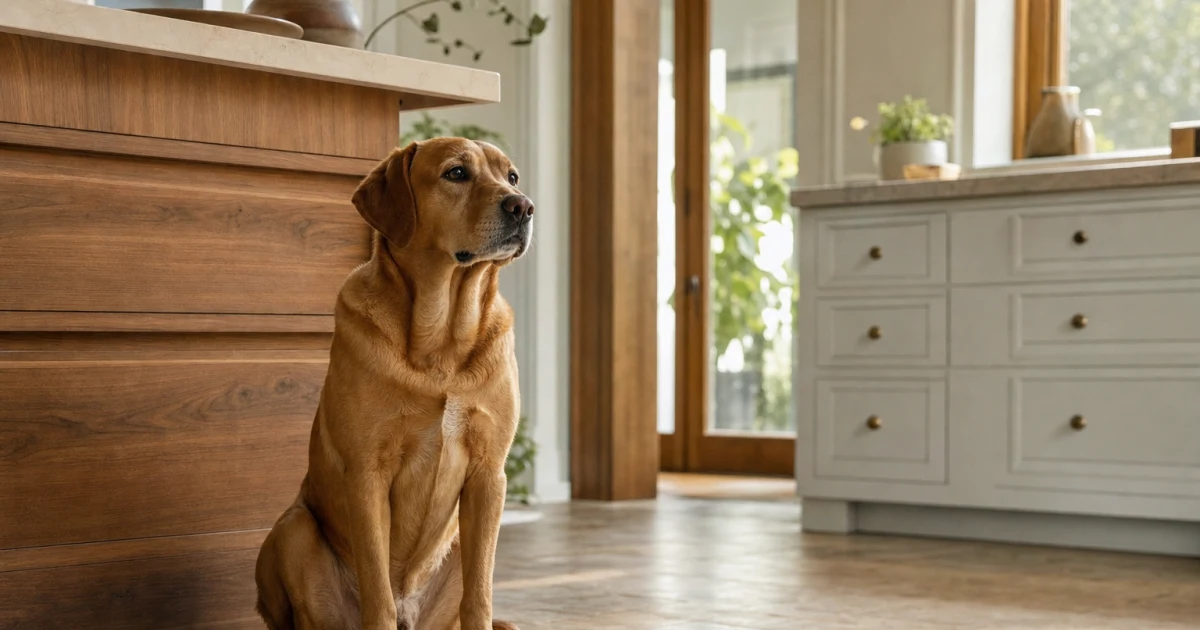
Stainless Steel vs Ceramic Dog Bowls: Which Fits Your Routine?
Stainless steel is usually the low-maintenance choice; ceramic can be quieter and heavier, but condition and glaze quality matter.

Walking & Travel
Dog Harness vs Collar for Everyday Walks: What Actually Changes?
A collar is simple and useful for identification; a well-fitted harness can reduce pressure on the neck and offer different control on walks.
Walking & Travel
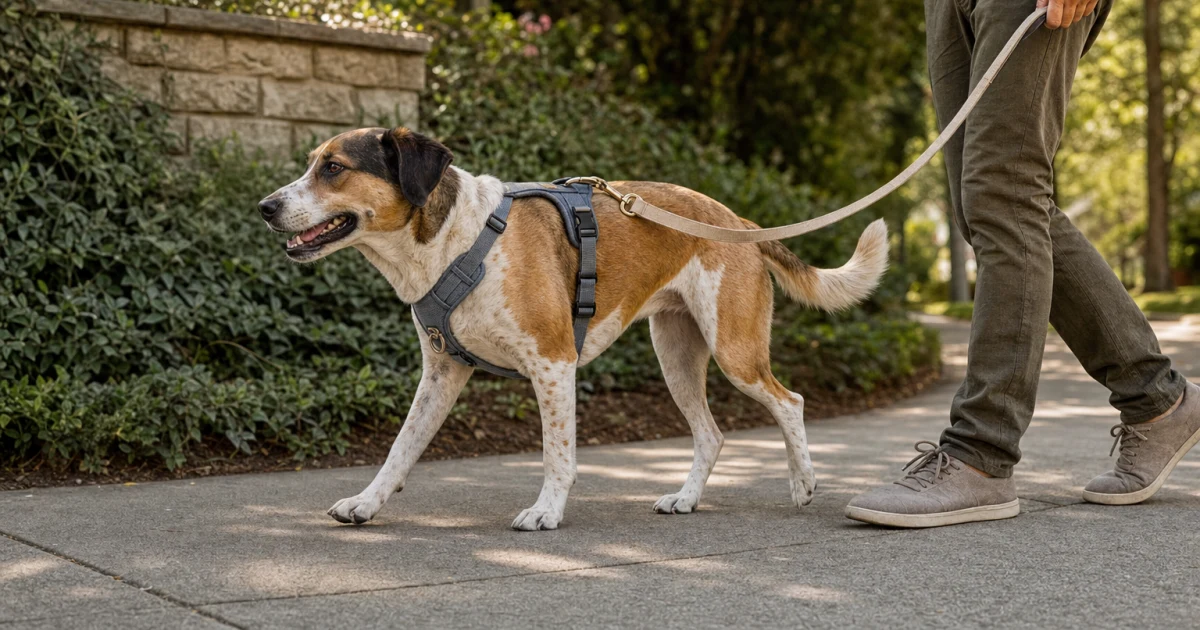
Front-Clip vs Back-Clip Dog Harness: Which Fits Your Walks Better?
Front-clip harnesses can help redirect dogs that pull, while back-clip harnesses are often simpler for calm walkers and activities where a dog needs to move freely. The best choice depends on your dog’s behavior, body shape, walking goals, and harness fit—not the clip position alone.

Beds & Comfort
Foam vs Polyfill Dog Beds: Which Fits Your Dog and Household?
Foam and polyfill dog beds solve different problems. Foam is usually the stronger choice for dogs needing stable joint support, while polyfill suits dogs that prefer a soft, nest-like bed and households that prioritize easy washing and lower replacement cost.
Grooming
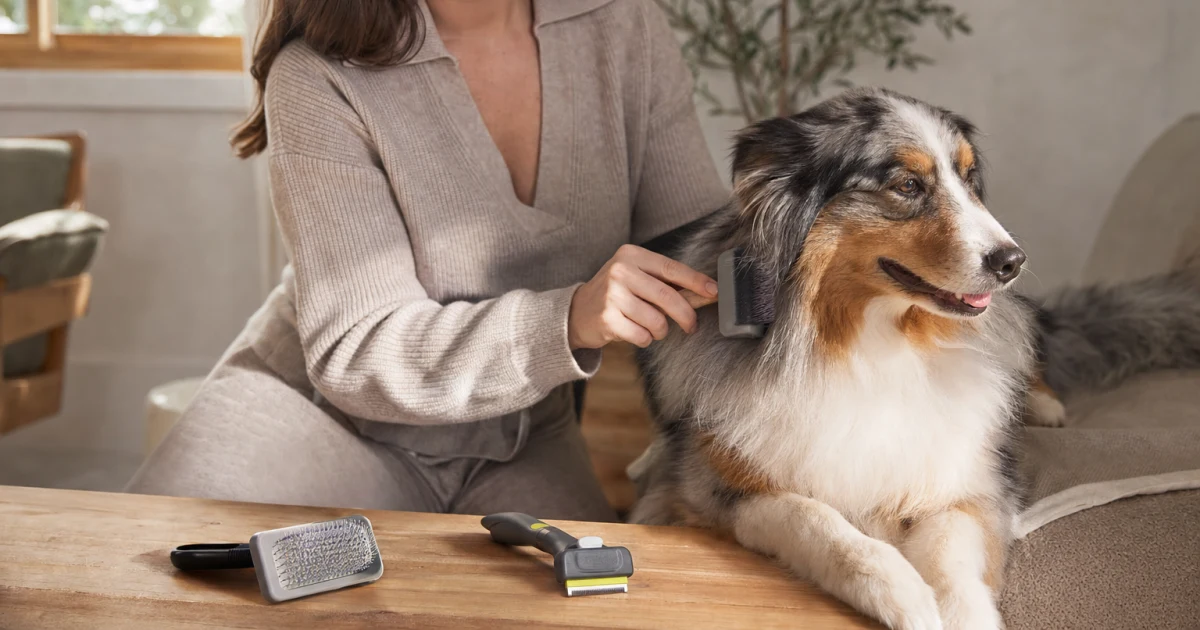
Slicker Brush vs Deshedding Tool: Which Job Does Each One Do?
A slicker brush is mainly for regular coat maintenance, light tangles, and separating fur. A deshedding tool is more specialized: it targets loose undercoat in dogs with a true double coat. Some dogs benefit from both, but neither tool is right for every coat.
Home & Comfort
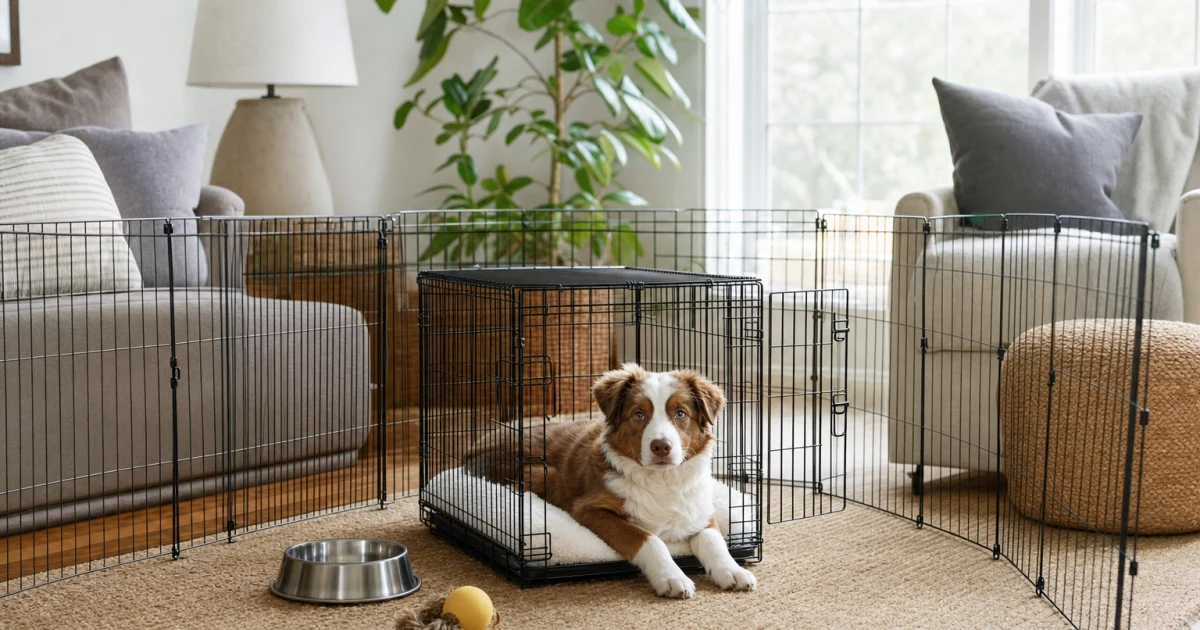
Dog Crate vs Playpen: Which Setup Fits Your Home and Routine?
A crate offers tighter containment and supports sleep, travel, and focused house-training. A playpen gives a dog more room to move, play, and settle, but it needs more space and may be easier for an active or determined dog to escape. Many homes benefit from using both.
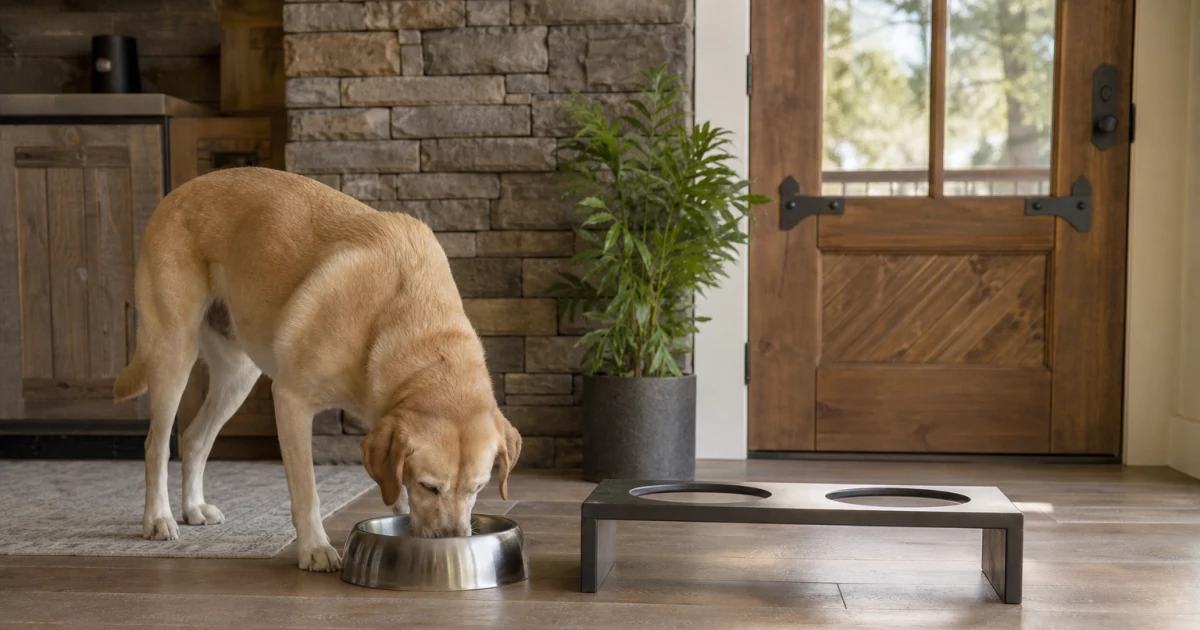
Feeding
Raised vs Floor Dog Bowls: What Should You Consider Before Buying?
Raised bowls can make meals easier for some dogs with mobility or esophageal problems, but they are not a general bloat-prevention tool. For many healthy dogs, a stable floor bowl remains the simpler default.

Walking & Travel
Retractable vs Standard Dog Leash: Which Fits Everyday Walks?
A standard leash is usually the better everyday choice for sidewalks, training, crowded areas, and dogs that pull. A retractable leash can suit a reliably trained dog in a quiet, open space, but it adds handling and entanglement risks.
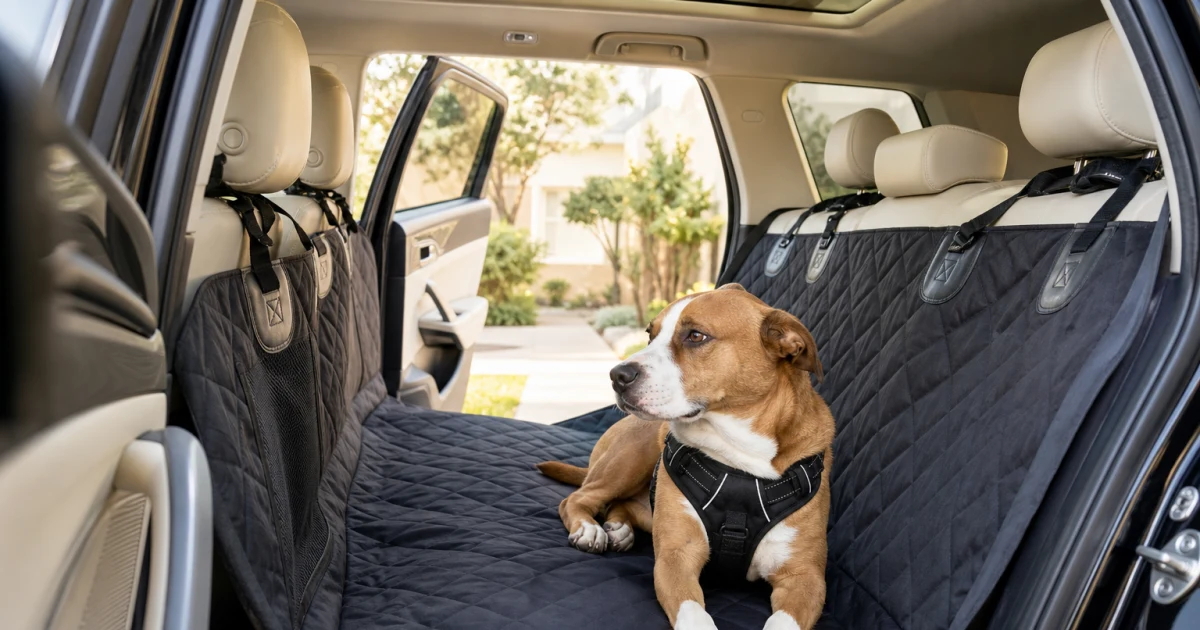
Walking & Travel
Dog Car Seat Cover vs Hammock: Which Setup Fits Your Vehicle?
A bench-style seat cover keeps the rear seat usable for people, while a hammock-style cover closes the gap to the front seats and contains more dirt. Neither is a crash restraint, so choose the cover around your vehicle and pair it with an appropriate dog harness or secured crate.
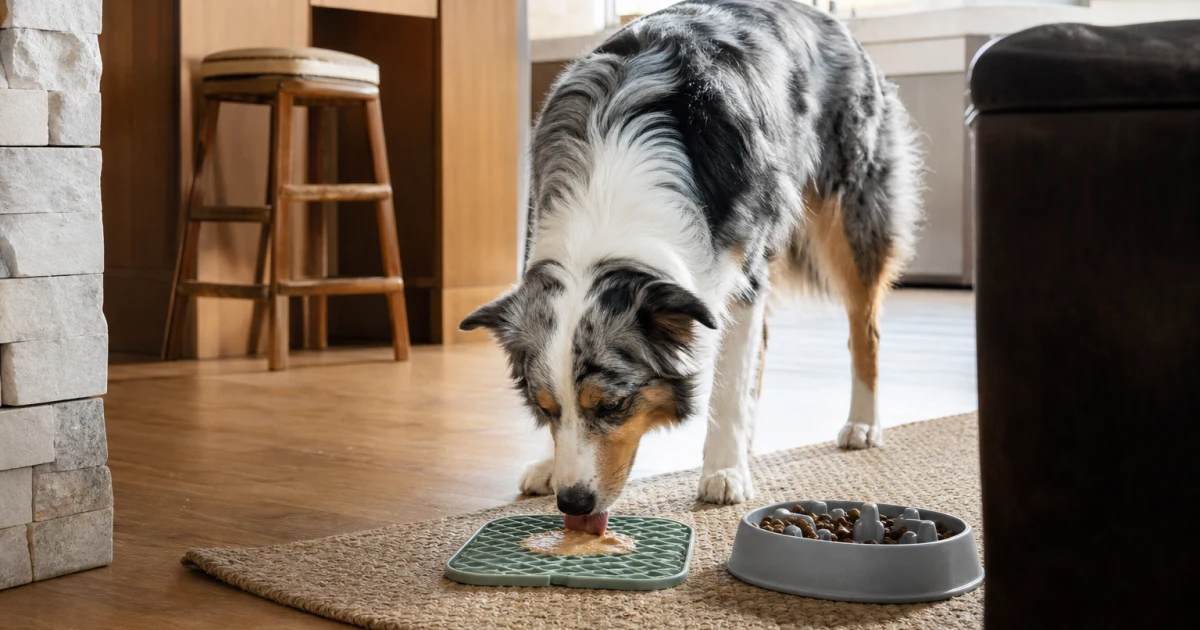
Feeding
Slow Feeder Bowl vs Lick Mat: Which Better Fits the Job?
A slow feeder bowl is usually the better first choice for a dog that gulps regular meals. A lick mat is better for spreading soft food into a longer, lower-intensity licking activity, especially during grooming, crate time, or predictable household disruptions.
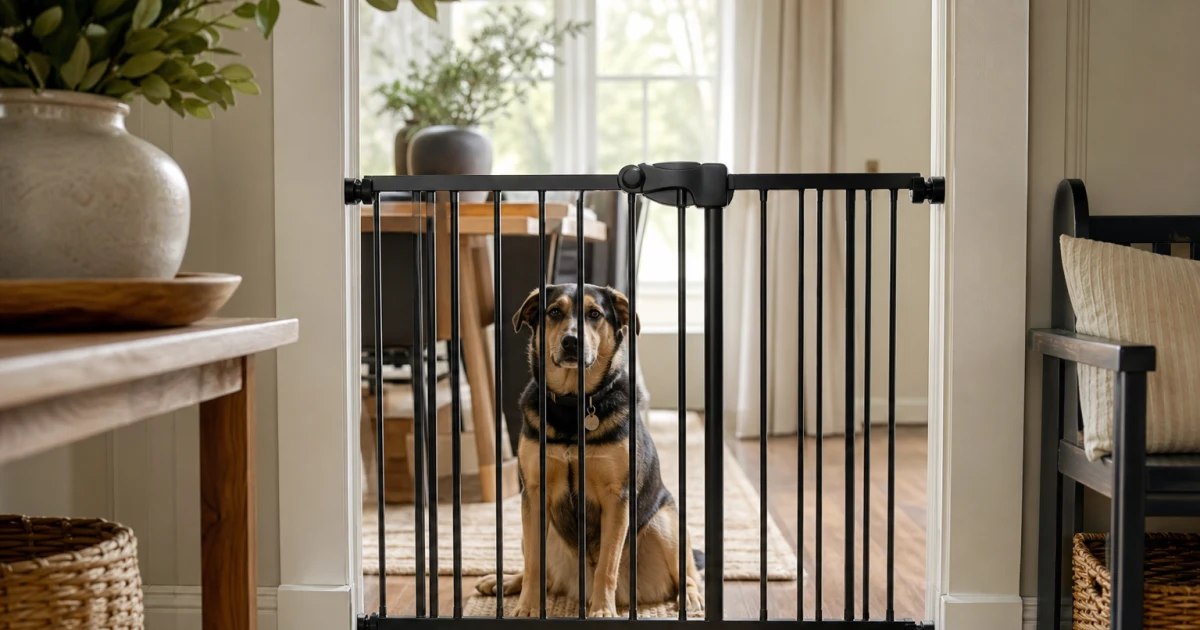
Home & Safety
Pressure-Mounted vs Hardware-Mounted Pet Gate: Which Fits Your Space?
Pressure-mounted gates are convenient for many level doorways, while hardware-mounted gates make more sense when a gate must resist repeated force or protect the top of a staircase. The right choice depends on the opening, your dog’s behavior, and what happens if the gate moves.
Walking & Travel
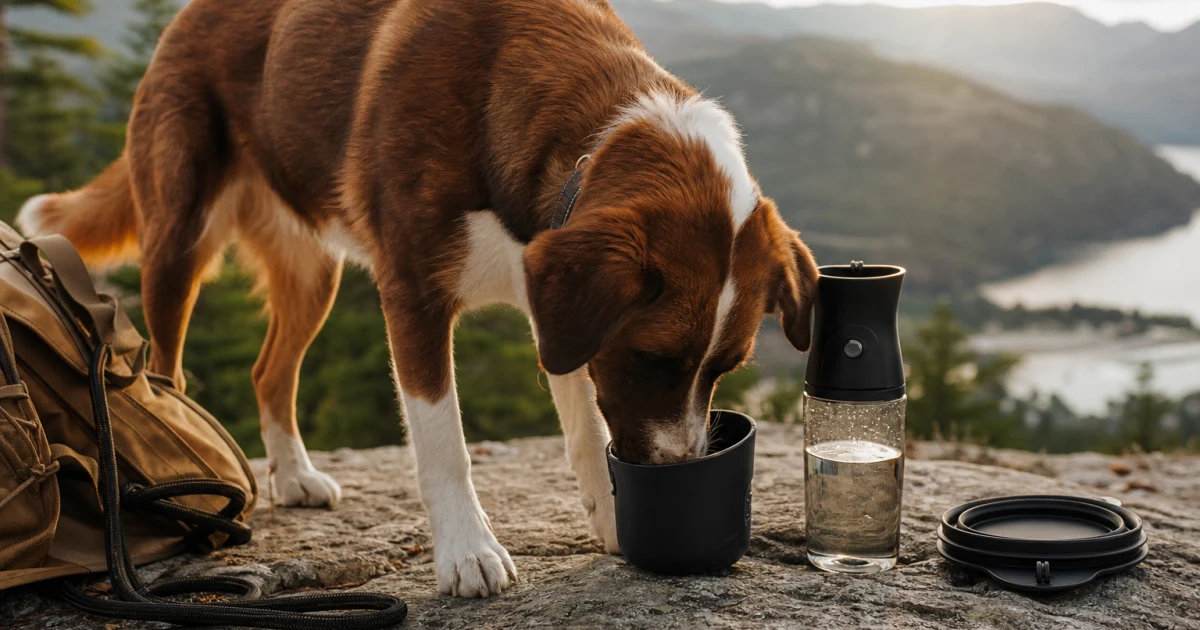
Dog Travel Water Bottle vs Collapsible Bowl: Which Fits Your Trips?
A dog travel water bottle carries and serves water in one item, while a collapsible bowl gives your dog a familiar open drinking surface but needs a separate water source. Choose the bottle for moving stops and limited water access; choose the bowl for longer breaks, shared water, meals, and easy packing. Many travelers benefit from carrying both.
Feeding
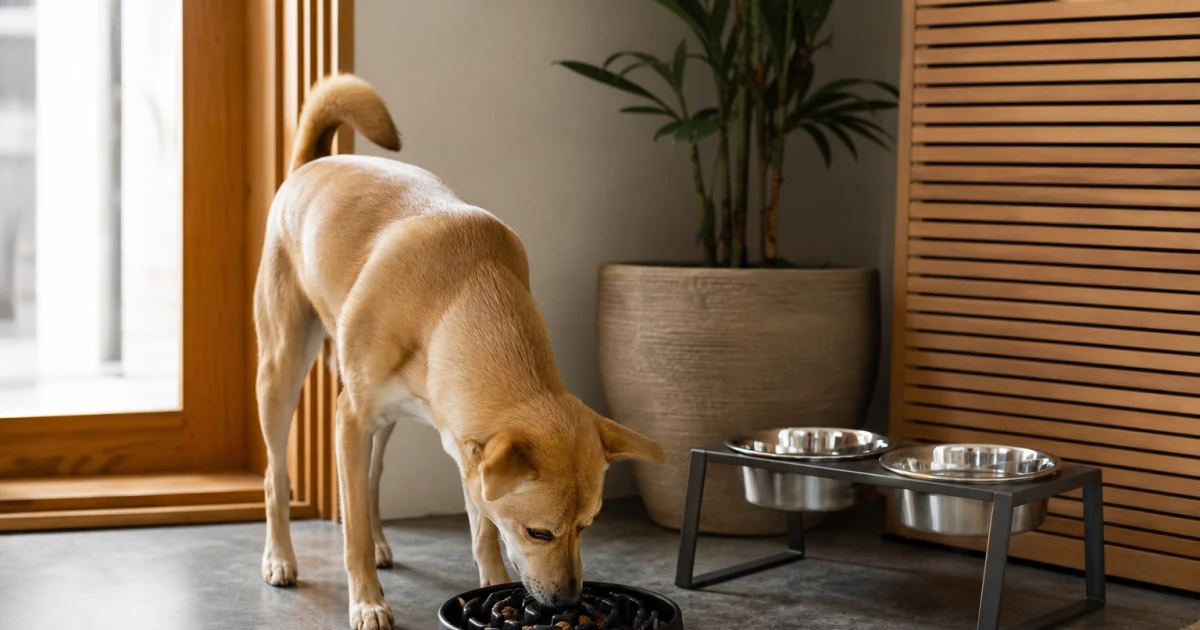
Raised Feeder vs Slow Feeder for Dogs: Which Problem Does Each Solve?
A raised feeder changes how far your dog bends to eat. A slow feeder changes how quickly your dog can eat. Choosing between them depends on whether the problem is posture, rapid gulping, or a veterinarian-diagnosed condition.
Feeding
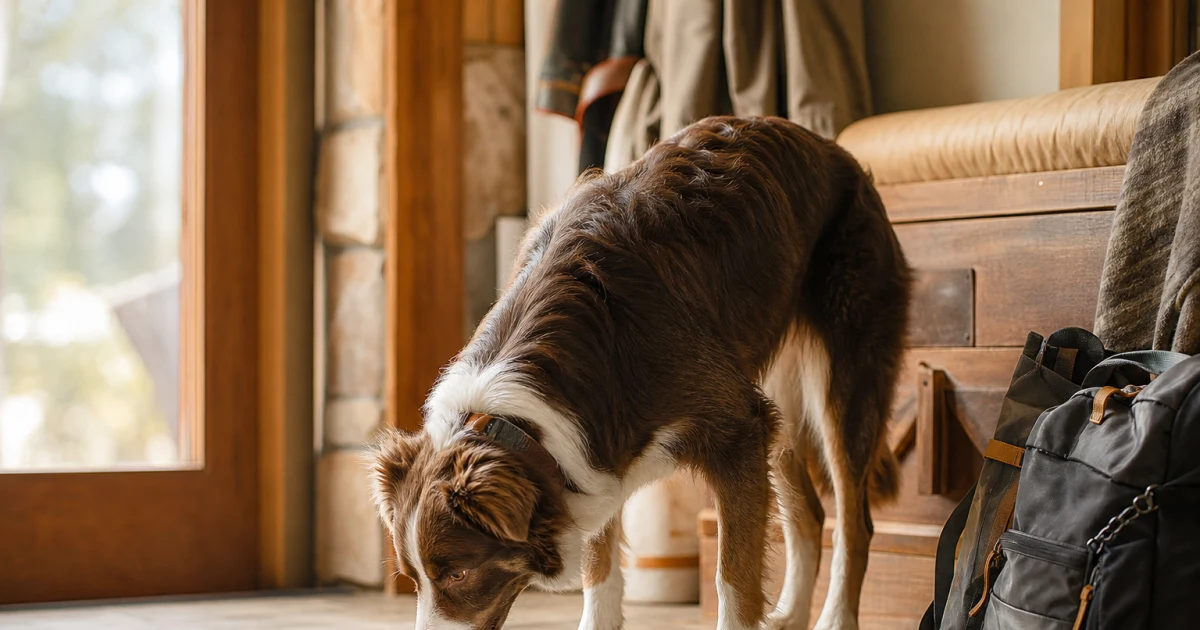
Stainless Steel vs Silicone Dog Bowls: Which Is Easier for Daily Use?
Stainless steel is usually the easier everyday dog bowl, while silicone earns its place as a lightweight, quiet, packable option. The best choice depends on whether your priority is home durability or travel convenience.

Walking & Travel
Rope vs Flat Dog Leash: Which Fits Everyday Walks Better?
Rope leashes can feel comfortable and durable in the hand, while flat leashes are usually easier to manage, clean, and adjust quickly. The better choice depends on your dog’s size, pulling behavior, route, and how much close control you need.
Walking & Travel
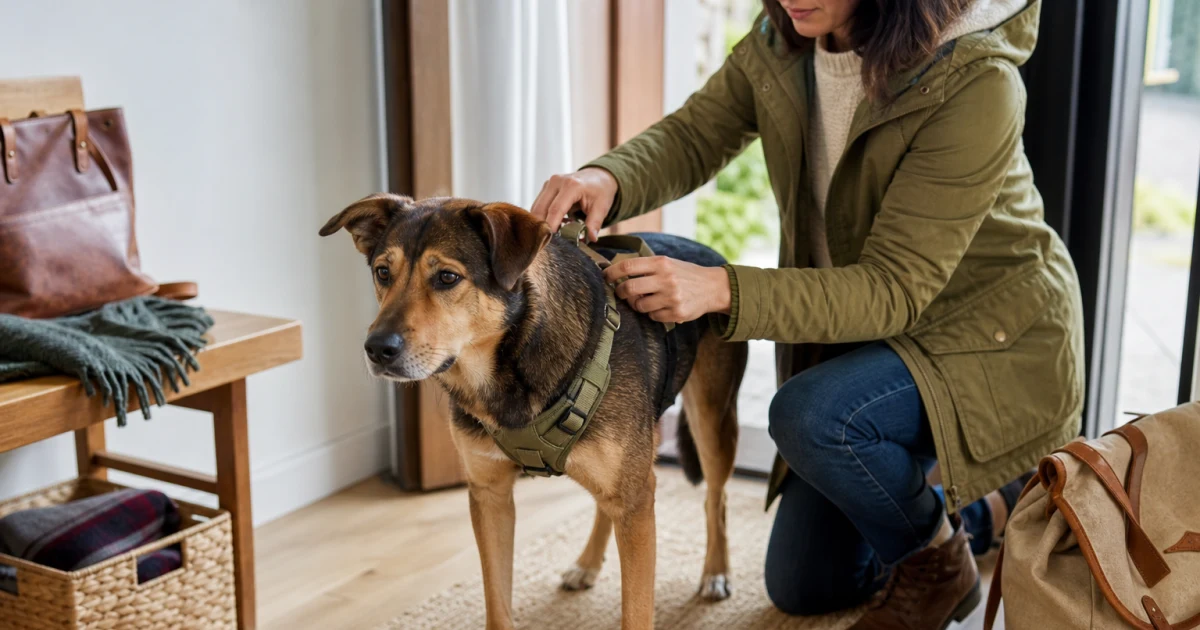
Step-In vs Overhead Dog Harness: Which Is Easier to Put On?
A step-in harness is often easier for head-shy dogs, while an overhead harness can be faster for dogs that dislike paw handling or will not stand still. The better choice depends on your dog’s behavior, body shape, and walking job.

Walking & Travel
Dog Carrier Backpack vs Sling: Which Fits Short Outings Better?
For a tiny, calm dog and a quick, low-intensity outing, a sling is usually the simpler choice. A backpack is often better when you need more stability, two-shoulder weight distribution, or both hands free. Fit, ventilation, support, and escape prevention matter more than the label on the bag.
Beds & Comfort
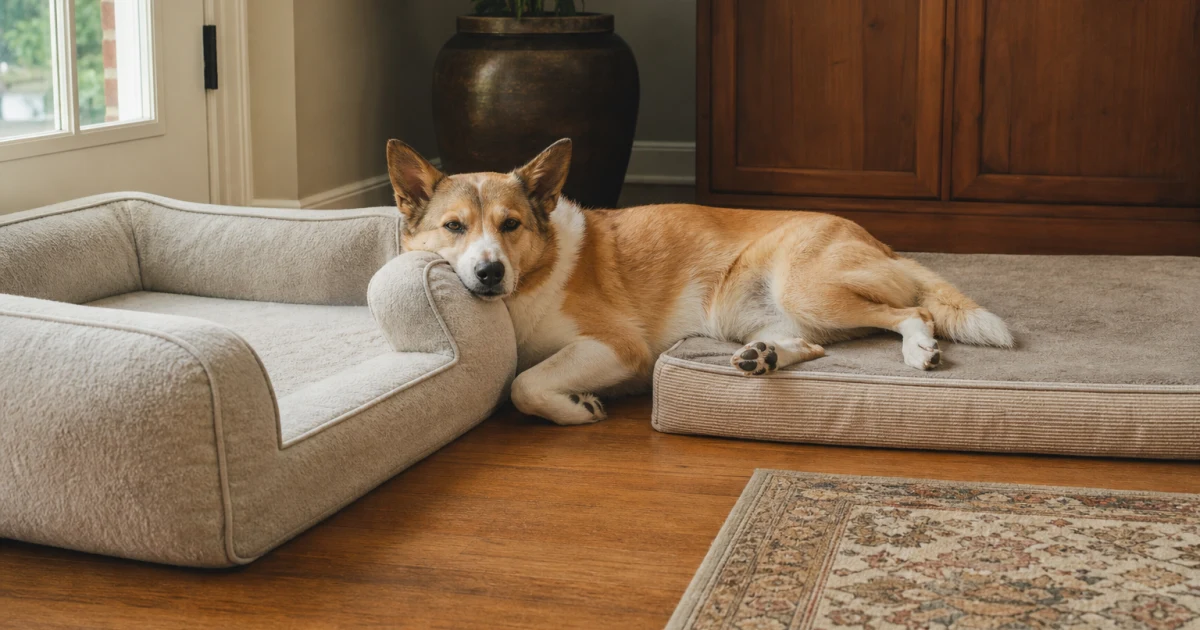
Bolster vs Flat Dog Bed: Which Fits Your Dog’s Resting Style?
Bolster beds suit dogs that curl, lean, nest, or rest their head on an edge. Flat beds give sprawlers, warm sleepers, and dogs with limited mobility more open space and easier access. The best choice depends on how your dog actually rests—not which shape looks coziest in a product photo.
Beds & Comfort
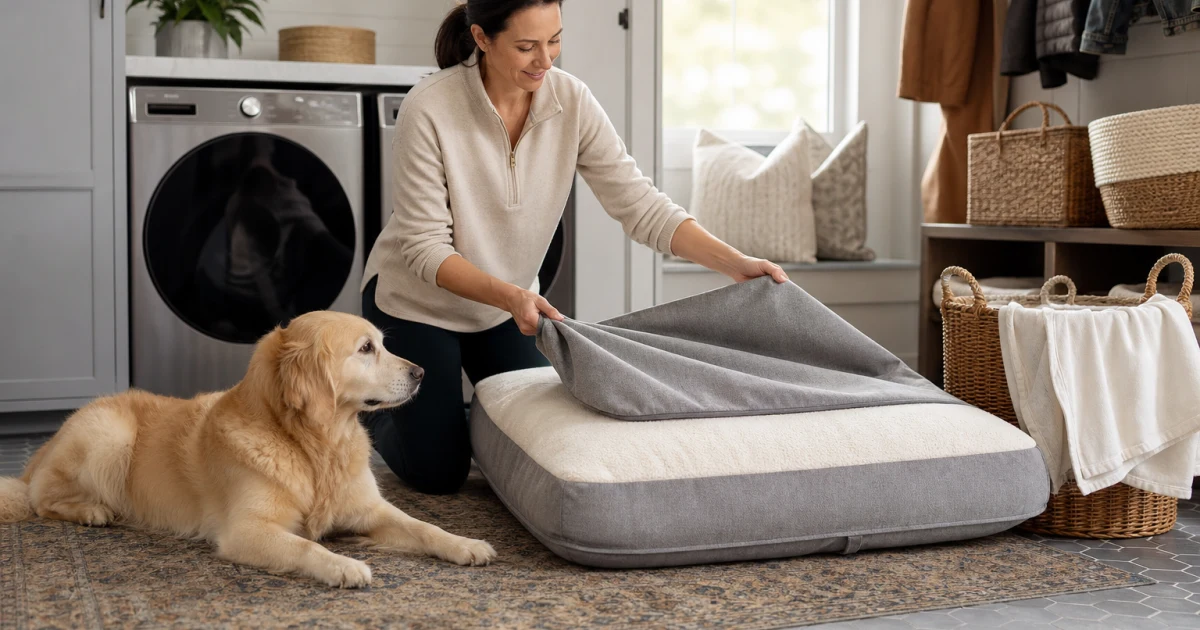
Removable-Cover vs One-Piece Dog Bed: Which Is Easier to Keep Clean?
A removable cover usually makes large, supportive dog beds easier to maintain, while a genuinely whole-bed washable design can be simpler for small pads, outdoor use, or frequent accidents. The better choice depends on what gets dirty, what your washer can handle, and how quickly the bed must be ready again.

Grooming
Pin Brush vs Slicker Brush for Dogs: Which Job Does Each Tool Do?
A pin brush is usually a better everyday tool for working through and finishing longer coats, while a slicker brush is better at separating dense hair, removing loose coat, and preventing small tangles. Many dogs need both, plus a comb to confirm the brush reached the skin.