Dogs · Feeding
Stainless Steel vs Ceramic Dog Bowls: Which Fits Your Routine?
Stainless steel is usually the low-maintenance choice; ceramic can be quieter and heavier, but condition and glaze quality matter.
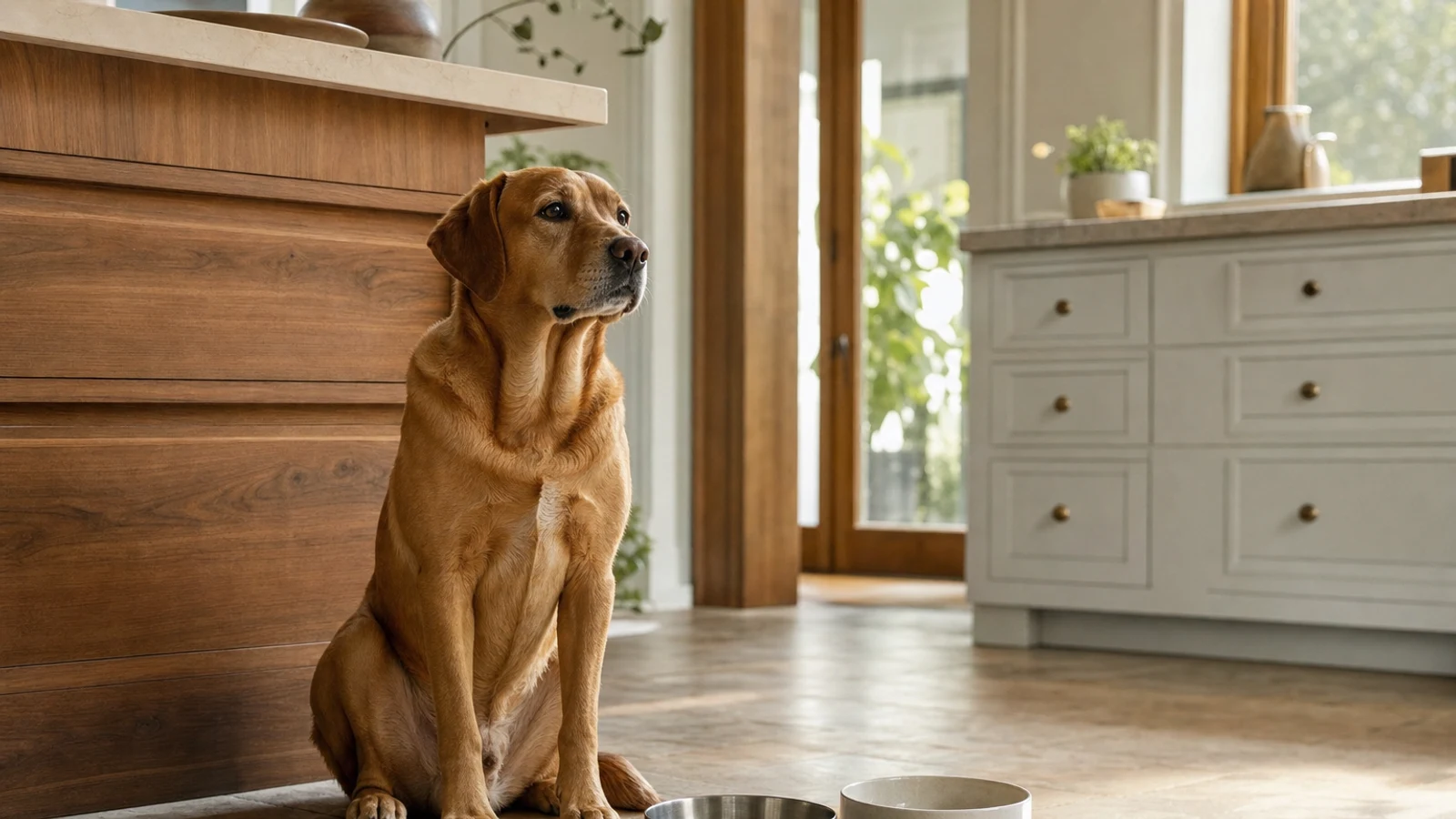
Quick answer
For most households, stainless steel is the easier long-term choice because it is light, durable, and simple to clean. Ceramic can be a good fit when you want a heavier, quieter bowl, but inspect it for chips or cracks and choose products clearly labeled food-safe. The better bowl is the one you can keep clean, intact, and stable for your dog.
Shop this guide
Current Amazon options
Six current listings related to this buying decision. Use the guide to compare fit and trade-offs, then verify the latest seller, price, size, and availability on Amazon.
As an Amazon Associate I earn from qualifying purchases. Product availability, seller, price, and listing details can change.
Key decision checks
Start with the boring question: what will you actually clean?
Dog bowls look like a design purchase, but they behave more like kitchenware. The bowl that gets washed thoroughly and often is usually a better choice than the prettier bowl that is awkward to scrub, too heavy to handle, or full of seams and decorative details.
That is why stainless steel tends to work well in busy homes. It is generally easy to rinse, easy to inspect, and difficult to chip. Ceramic can work just as naturally in a home routine, but it asks for one extra habit: look at the surface. Once the glaze is damaged, the bowl is no longer the smooth, easy-clean object you bought.
- Choose a shape you can reach into easily with a sponge or brush.
- Avoid deep decorative grooves where food residue can collect.
- Replace any bowl that becomes rough, chipped, cracked, or difficult to clean.
Where stainless steel earns its reputation
Stainless steel is practical because it is tough without being bulky. A good-quality bowl can survive drops, repeated washing, and years of daily handling without changing shape. It is also easy to see whether the surface is still smooth.
The trade-off is that lightweight steel bowls can skid across hard floors. A wide rubber or silicone base helps, but that base also becomes another surface to clean. If your dog nudges or pushes the bowl while eating, look for a broad, stable footprint rather than assuming material alone will solve the problem.
Where ceramic can be nicer to live with
Ceramic bowls have one everyday advantage that is easy to underestimate: weight. A substantial ceramic bowl tends to stay where you put it, and many people prefer the quieter feel of ceramic against tags, floors, and utensils.
The material itself is not the problem; quality and condition are. Veterinary guidance on pet bowls emphasizes choosing safe materials, and low-quality painted or glazed products can be a concern. If you choose ceramic, buy from a manufacturer that clearly states the bowl is food-safe and intended for pet feeding, and retire it when the surface is damaged.
Compare options for your pet
Stainless Steel vs Ceramic Dog Bowls: Which Fits Your Routine?
Compare current Amazon listings using the fit and safety checks in this guide. Confirm size, specifications, seller and availability before ordering.
See on Amazon →As an Amazon Associate I earn from qualifying purchases. Links open Amazon search results; individual listings have not been independently verified.
The decision is less about “best” and more about failure mode
Think about how each option is likely to fail in your house. Stainless steel is more likely to annoy you by sliding, ringing, or looking utilitarian. Ceramic is more likely to become a problem if it chips, cracks, or becomes too heavy to handle comfortably at the sink.
That makes the choice surprisingly personal. A calm dog that eats in one place may do beautifully with a heavy ceramic bowl. A household that washes bowls frequently, travels with the dog, or rotates bowls between rooms may appreciate stainless steel far more.
- Pick stainless steel when durability, easy handling, or frequent washing matters most.
- Pick ceramic when stability and a heavier bowl matter more, and you are willing to inspect it regularly.
- Whichever you choose, prioritize a smooth food-safe surface and a size that matches your dog’s eating style.
What to check before buying
Ignore vague claims such as “premium” and check the details you can verify: material specification, food-safe labeling, dishwasher guidance, base construction, dimensions, and whether replacement parts are available if the bowl uses a removable non-slip ring.
For a large dog, diameter and stability may matter more than finish. For a small dog, rim height can matter more than weight. If your dog has a medical condition, eats unusually fast, has facial anatomy that makes bowls awkward, or develops skin irritation around the mouth, ask your veterinarian about the setup rather than treating bowl material as a medical solution.
Common questions
FAQ
Are stainless steel dog bowls better than ceramic?
They are often easier to maintain because they are durable and simple to inspect, but ceramic can be a perfectly practical choice when it is food-safe, intact, and easy to clean.
Should I replace a chipped ceramic dog bowl?
Yes. Once the surface is chipped or cracked, it is harder to keep the bowl smooth and clean. Replacing it is a simple way to remove that uncertainty.
Do dogs need a special bowl material?
Not every dog needs the same material. Cleanliness, condition, stability, size, and your dog’s individual needs matter more than a universal material rule.
Sources & further reading
Where the factual guidance comes from
Discusses pet bowl materials and recommends metal or products labeled food-safe.
Notes that bowl shape and material can be varied according to the dog.
Ready to choose?
Stainless Steel vs Ceramic Dog Bowls: Which Fits Your Routine?
Compare current Amazon listings using the fit and safety checks in this guide. Confirm size, specifications, seller and availability before ordering.
See on Amazon →As an Amazon Associate I earn from qualifying purchases. Links open Amazon search results; individual listings have not been independently verified.
Keep researching