Other Pets · Cleanup
Bird Cage Liners: What Matters for Cleanup and Daily Use?
For most companion birds, plain disposable paper is the practical default because it is easy to replace and makes droppings visible. The best liner still depends on whether your bird can reach, shred, or eat it, and whether the cage tray fits standard paper.
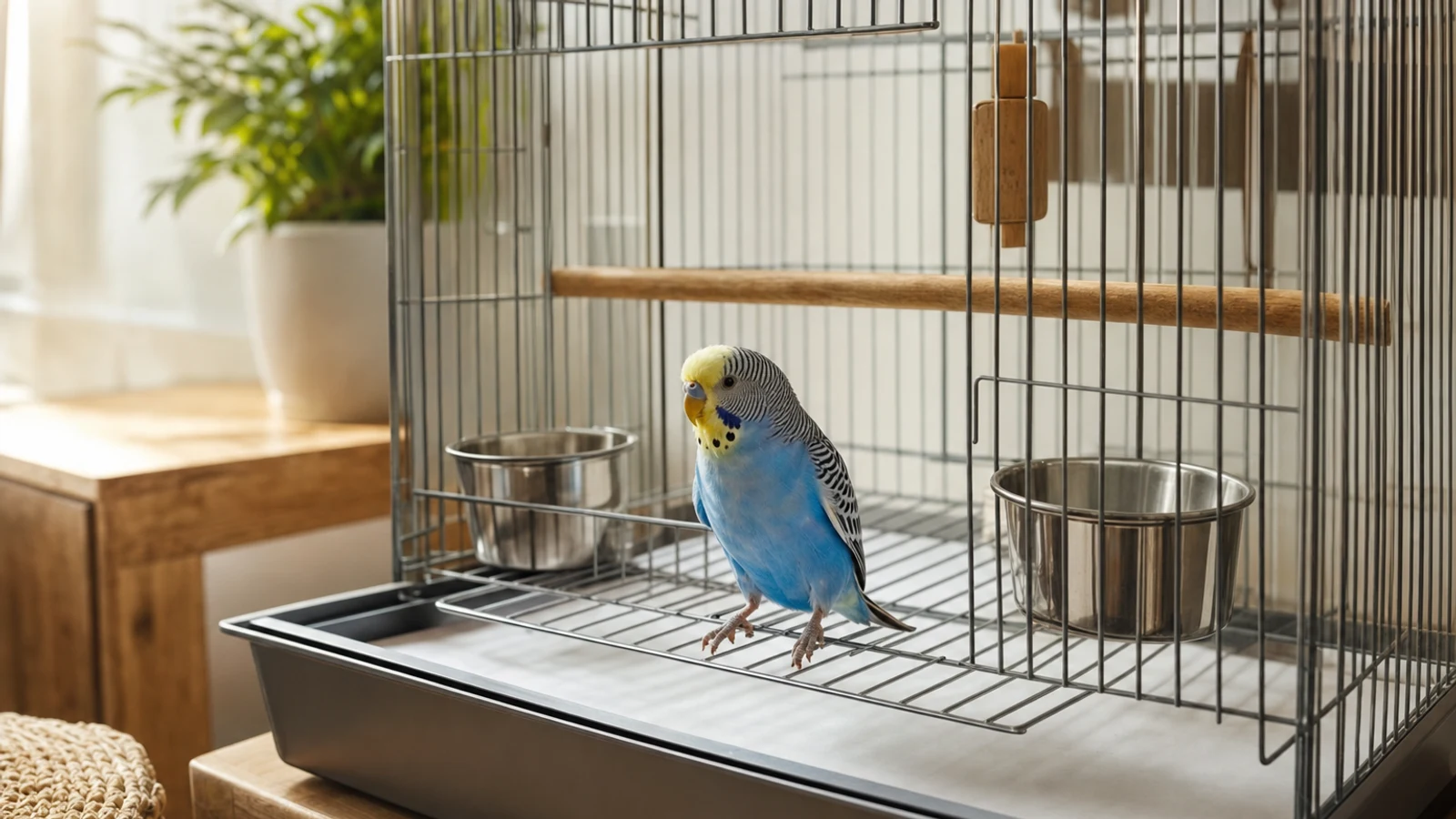
Quick answer
Choose a plain, non-toxic paper liner that lies flat across the cage tray and can be replaced at least daily. Newspaper, butcher paper, paper bags, paper towels, and purpose-made cage liner paper are common options. A grate can keep the bird away from the soiled surface, but it should not prevent you from checking droppings. Avoid sand, wood shavings, corncob, walnut shell, kitty litter, and sandpaper-style liners because they can be dusty, obscure waste, or cause problems if ingested. If your bird shreds or eats the liner, ask an avian veterinarian how to adjust the setup.
Shop this guide
Current Amazon options
Six current listings related to this buying decision. Use the guide to compare fit and trade-offs, then verify the latest seller, price, size, and availability on Amazon.
As an Amazon Associate I earn from qualifying purchases. Product availability, seller, price, and listing details can change.
Key decision checks
Start with the job: contain waste and show you what is happening
A good bird cage liner has two jobs: make routine cleanup quicker and leave droppings visible enough for you to notice changes. Plain paper works well because you can remove the entire soiled sheet without disturbing the cage floor, then place a fresh sheet in the tray. It also gives you a relatively clear daily record of droppings, which can help you notice changes that deserve veterinary attention.
The liner is not a substitute for cleaning the tray, grate, perches, bowls, and cage surfaces. Food fragments and droppings can collect above or below the paper, especially when a bird throws food or walks on the tray. Treat the liner as a removable waste layer, not as bedding that can remain in place until it looks heavily soiled.
- Prioritize a flat, easy-to-remove surface.
- Choose a material that does not release loose dust or particles.
- Make sure the liner does not block your view of droppings.
- Replace it often enough that waste does not accumulate.
Plain paper is the usual everyday choice
For most companion birds, plain disposable paper is the simplest starting point. Veterinary and avian-care guidance commonly identifies newspaper, paper towels, butcher paper, paper bags, and other plain cage liner papers as suitable choices. Purpose-made liner sheets can be convenient when they match the tray, but convenience does not automatically make them safer or more hygienic than ordinary plain paper.
Paper choice is mainly a fit and workflow decision. Paper towels are convenient for small trays and quick spot changes, while butcher paper or newspaper may cover a large tray with fewer seams. If you use newspaper, choose ordinary non-glossy pages rather than shiny inserts, flyers, or heavily coated material. Replace any sheet that is wet, torn, heavily soiled, or being chewed.
- Newspaper: inexpensive and widely recommended, but may need folding for tray fit.
- Butcher paper: useful for large trays and broad, flat coverage.
- Paper towels: convenient for small cages or quick changes, but can shift or tear.
- Commercial paper liners: convenient when pre-cut dimensions fit your cage.
Avoid loose bedding and sandpaper-style liners
Loose substrates are usually a poor match for companion-bird cage floors. Sand, wood shavings, corncob, crushed nut shells, and kitty litter can hide droppings, create dust, harbor moisture or microorganisms, or cause problems if a bird ingests them. They can also make it harder to judge the amount and appearance of waste during a daily check.
Sandpaper cage liners are a separate concern. They are marketed for cage floors, but avian veterinary guidance advises against them because birds may pick at the abrasive material and ingest particles. They also do not solve the main monitoring problem as well as a clean, plain sheet of paper. Do not add scented products, deodorizers, or absorbent litter simply to mask odor.
- Skip sand, wood chips, shavings, corncob, walnut shell, and kitty litter.
- Avoid scented, dusty, glossy, or heavily treated materials.
- Do not use abrasive sandpaper sheets as a nail-trimming or cleanup solution.
- Ask an avian veterinarian before changing to an unusual substrate for a special husbandry need.
Decide whether the bird can reach the liner
A cage grate changes how you evaluate a liner. If the grate is secure and the bird cannot reach the paper, the main concerns are tray coverage, shifting, moisture, and cleaning speed. If the bird regularly walks on the tray or can pull paper through the grate, ingestion and shredding become more important than absorbency or price.
Paper shredding is not automatically an emergency, but repeated chewing or swallowing is a reason to change the setup and seek species-appropriate advice. You might need to reposition the grate, use a tray arrangement that keeps the paper inaccessible, or clean a bare tray more frequently. Never assume a material is safe merely because it is sold for pets.
- Check whether toes, beak, or food can reach the sheet.
- Use a correctly fitted grate if it is part of the cage design.
- Remove torn pieces that could wrap around toes or be swallowed.
- Watch the bird during the first several uses of a new liner.
Compare options for your pet
Bird Cage Liners: What Matters for Cleanup and Daily Use?
Compare current Amazon listings using the fit and safety checks in this guide. Confirm size, specifications, seller and availability before ordering.
See on Amazon →As an Amazon Associate I earn from qualifying purchases. Links open Amazon search results; individual listings have not been independently verified.
Make daily replacement easy enough to maintain
The best liner is one you will replace consistently. Measure the tray before buying pre-cut sheets, and check whether the paper catches on rails or folds upward when the tray slides in. A small overlap can help contain mess, but excess paper that protrudes into the cage may invite chewing or interfere with the grate.
Keep a stack of cut-to-size sheets near the cage, along with a waste bag and cleaning supplies that are kept away from food-preparation areas. Remove the bird from the area if cleaning products or sprays are used, and follow product directions carefully. Birds have sensitive respiratory systems, so avoid exposing them to fumes, aerosols, or wet disinfectant residue.
- Measure tray width and depth, including any inner rails.
- Pre-cut several sheets so replacement takes seconds.
- Change paper at least daily and sooner when wet or heavily soiled.
- Clean the tray and grate regularly rather than relying only on fresh paper.
- Wash hands after handling used liners and cage equipment.
Use the liner as a health-monitoring tool
Daily liner changes create a consistent surface for checking droppings. Look for meaningful changes in quantity, color, consistency, or the presence of unusual material, while remembering that food can temporarily affect appearance. A liner can help you notice a problem; it cannot identify the cause.
Birds may hide illness, so a sudden change in droppings, appetite, activity, breathing, weight, or posture warrants prompt contact with an avian veterinarian. Do not delay care while trying a different liner. If your bird has a medical condition, is nesting, is breeding, or has unusual access to the cage bottom, ask the veterinarian whether your normal liner routine should be modified.
- Use the same liner type when you want a clearer day-to-day comparison.
- Record unusual changes rather than relying on memory.
- Seek avian veterinary advice for persistent or combined health changes.
- Keep the bird away from contaminated paper during cage cleaning.
Disposable versus reusable liners
Disposable paper usually offers the clearest routine: remove the sheet, inspect it, discard it, and clean the tray as needed. It is especially practical when you want to monitor droppings closely or when the bird produces a lot of food waste. The trade-off is ongoing paper use and the possibility that an active bird will shred or move it.
Reusable fabric or washable pads may appeal to households trying to reduce disposable waste, but they add laundering, storage, and contamination-control steps. They must be removed promptly when soiled, washed separately from household clothing, and checked for loose threads or chewing damage. A reusable option is not an improvement if it stays damp, obscures droppings, or is difficult to clean thoroughly.
- Choose disposable paper for the simplest inspection-and-replace routine.
- Consider reusable material only if you can wash and replace it reliably.
- Inspect fabric for loose threads, fraying, and chewing damage.
- Do not let environmental goals override cleanliness or bird safety.
Common questions
FAQ
Can I use regular newspaper in a bird cage?
Ordinary, non-glossy newspaper is commonly recommended by avian-care sources as a cage liner. Use clean sheets, replace them daily, and prevent access if your bird chews or eats the paper. Avoid glossy inserts and promotional pages with coatings or unknown materials.
Are paper towels safe as bird cage liners?
Plain paper towels are commonly used for bird cage trays, particularly in smaller cages. They should be changed frequently and removed if the bird shreds or ingests them. Choose unscented, unprinted paper rather than products with added fragrances, lotions, or decorative coatings.
Should the cage grate be above or below the liner?
A grate is generally useful when it keeps the bird away from droppings and soiled paper while allowing waste to fall into the tray. The exact arrangement depends on the cage design. The bird should not be able to pull the liner through the grate, and you should still be able to inspect the tray and droppings.
How often should I change a bird cage liner?
At least daily is the usual guidance for disposable paper liners. Change it sooner if it becomes wet, heavily soiled, moldy, or contaminated with spoiled food. The tray, grate, and other cage surfaces still need regular cleaning even when the paper looks relatively clean.
Can I use puppy pads or cat litter under a bird cage?
Do not place unfamiliar absorbent products where a bird can chew or ingest them, and do not use cat litter as a cage substrate. If an absorbent pad is outside the bird’s reach and is used only to protect the surrounding floor, check its construction and avoid scented products. Plain paper in the cage tray is the more established choice.
What if my bird eats the cage liner?
Remove access to the material and contact an avian veterinarian for advice, especially if paper was swallowed, the bird is showing symptoms, or the behavior is repeated. The solution may involve a grate, a different tray arrangement, or more frequent cleaning rather than simply switching to another loose substrate.
Sources & further reading
Where the factual guidance comes from
Ready to choose?
Bird Cage Liners: What Matters for Cleanup and Daily Use?
Compare current Amazon listings using the fit and safety checks in this guide. Confirm size, specifications, seller and availability before ordering.
See on Amazon →As an Amazon Associate I earn from qualifying purchases. Links open Amazon search results; individual listings have not been independently verified.
Keep researching