Other Pets · Feeding & Hydration
Stainless Steel vs Plastic Bird Bowls: Which Is Easier to Maintain?
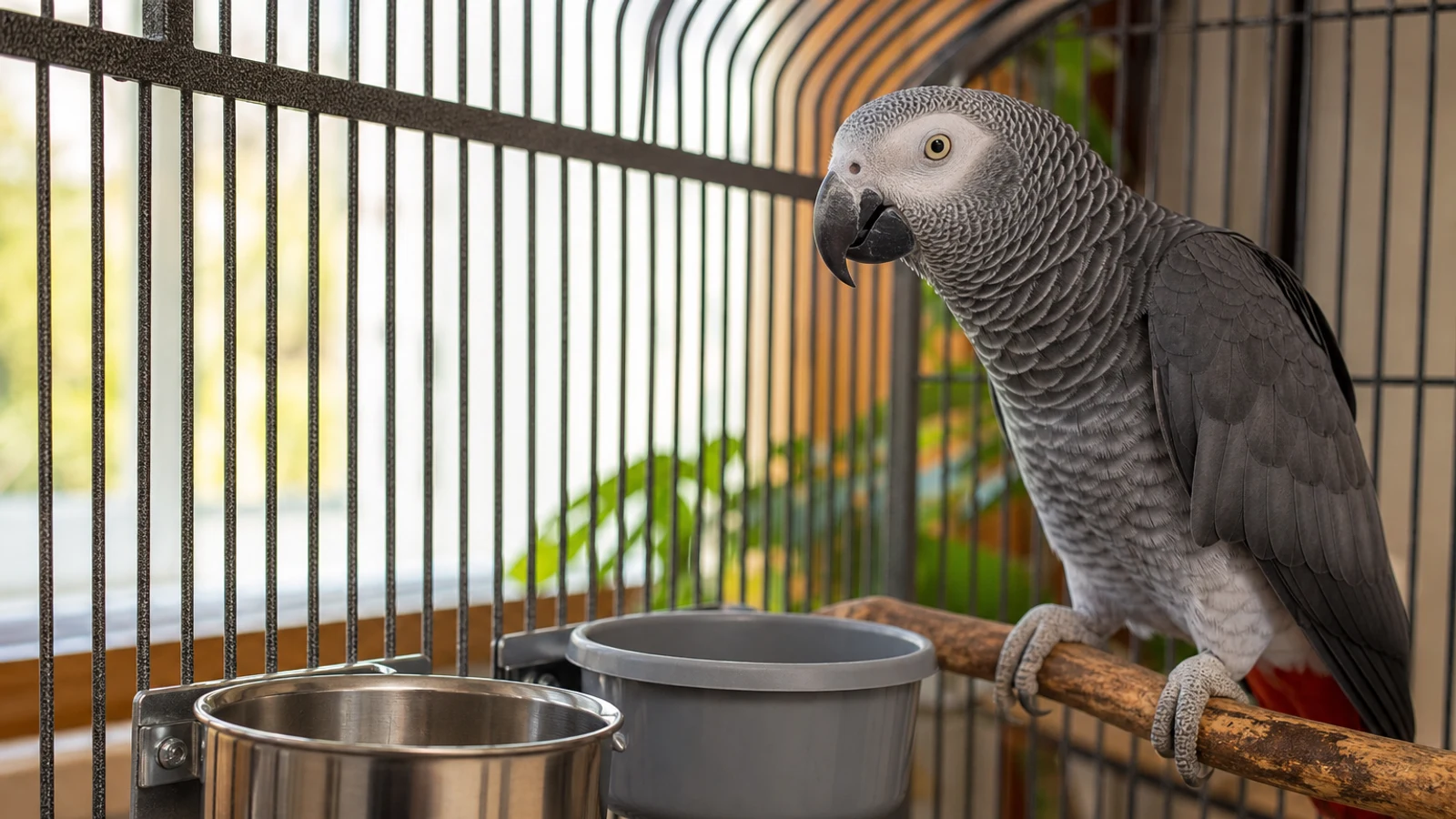
Stainless steel is usually the easier bird-bowl material to maintain, especially for birds that chew or for households that want durable dishes cleaned every day. Hard plastic can still work when it is thick, intact, securely mounted, and easy to wash. The best choice depends on your bird’s beak strength, bowl holder, feeding style, and cleaning routine.
Quick answer
Choose stainless steel if your priority is the simplest long-term cleaning routine, resistance to chewing, and a bowl that is less likely to wear out. Choose hard plastic when a lightweight, translucent, inexpensive bowl fits your cage system better, provided it remains smooth, uncracked, and easy to clean. Either material should be shallow enough for the bird to reach, securely attached, and washed daily.
Shop this guide
Current Amazon options
Six current listings related to this buying decision. Use the guide to compare fit and trade-offs, then verify the latest seller, price, size, and availability on Amazon.
As an Amazon Associate I earn from qualifying purchases. Product availability, seller, price, and listing details can change.
Key decision checks
The practical difference: stainless steel is usually easier to maintain
For most companion-bird households, stainless steel is the lower-maintenance choice. It is sturdy, nonporous, resistant to normal chewing, and usually straightforward to wash by hand or in a dishwasher when the product instructions allow it. It also tends to remain serviceable longer because routine scrubbing is less likely to damage the bowl surface.
Hard plastic is not automatically unsuitable. Veterinary guidance recognizes thick plastic as an acceptable dish material when it is sturdy, nontoxic, and easy to clean. Its weakness is wear: chewing, rough scrubbing, heat, or age can leave a bowl cracked, cloudy, deeply scratched, or difficult to clean thoroughly. At that point, replacement is more practical than trying to restore it.
- Best default for durability and repeated daily washing: stainless steel.
- Best when a lightweight or translucent bowl is especially useful: hard plastic.
- Avoid bowls with cracks, sharp edges, peeling surfaces, or damage from chewing.
- Treat the bowl holder and attachment method as part of the decision, not an afterthought.
When stainless steel makes more sense
Stainless steel is the stronger fit for medium and large parrots, birds that chew cage accessories, and homes that want one durable set of bowls for food and water. VCA specifically identifies stainless-steel dishes as ideal for large birds because they are difficult to destroy, easy to clean, and can attach securely to the cage. That durability can reduce the cycle of replacing damaged plastic dishes.
The material is also useful when you want to inspect the bowl quickly for food residue, droppings, or dried-on mess. Stainless steel will not hide staining in the way an opaque bowl can. It is not maintenance-free, however: food particles, wet pellets, and droppings still need prompt removal, and the bowl must be rinsed thoroughly after cleaning products are used.
- Choose it for strong-beaked birds or persistent chewing.
- Look for smooth construction without sharp rims, burrs, or hard-to-reach seams.
- Check that the mounting hardware cannot be loosened or opened by the bird.
- Confirm that the finish and product instructions are appropriate for food and water use.
When hard plastic can be the better fit
Hard plastic can be useful for small birds, travel cages, temporary setups, or cage systems designed around lightweight removable cups. A translucent bowl may also make it easier to see remaining water or food without removing the dish. Some birds accept a familiar plastic cup more readily than a shiny metal replacement, so a gradual transition can be sensible if your bird avoids new equipment.
The key is condition and design rather than plastic alone. Select a thick, rigid bowl that does not flex easily, has no exposed edges, and can be removed for thorough washing. If your bird regularly gnaws the rim or sides, plastic may become a short-lived option. Replace it when chewing creates rough spots, cracks, deep scratches, discoloration that does not wash away, or any other damage that prevents confident cleaning.
- Use plastic when weight, visibility, or cage compatibility solves a real problem.
- Do not rely on appearance alone; inspect the inside and underside of the bowl.
- Replace damaged plastic rather than continuing to scrub a worn surface.
- Avoid thin, brittle, decorative, or strongly scented plastic products.
Cleaning matters more than the material label
Both materials require daily attention. Association of Avian Veterinarians guidance recommends daily cleaning of bowls, while VCA advises washing food and water dishes daily and notes that ceramic, metal, and most thick plastic dishes may be dishwasher-washed. Follow the bowl manufacturer’s instructions, use a bird-safe cleaning routine, and rinse thoroughly so no soap or disinfectant residue remains before the dish returns to the cage.
Keep a second set of bowls so one set can be cleaned while the other is in use. This makes the routine easier to maintain and helps prevent the temptation to refill a visibly dirty dish. Water bowls may need attention more often than once daily if the bird bathes in them, dunks food, or contaminates the water with droppings.
- Remove leftover fresh food before it spoils and refresh water at least daily.
- Wash with hot water and an appropriate dish soap, then rinse completely.
- Use separate cleaning tools for bird dishes when practical.
- Never clean cage supplies in a food-preparation area; clean and disinfect the sink afterward if indoor cleaning is necessary.
Compare options for your pet
Stainless Steel vs Plastic Bird Bowls: Which Is Easier to Maintain?
Compare current Amazon listings using the fit and safety checks in this guide. Confirm size, specifications, seller and availability before ordering.
See on Amazon →As an Amazon Associate I earn from qualifying purchases. Links open Amazon search results; individual listings have not been independently verified.
Bowl shape and placement can outweigh material
A well-made bowl can still be a poor choice if the bird cannot reach the bottom or if droppings regularly fall into it. Wide, relatively shallow dishes are generally easier for birds to approach and inspect than deep cups. Place bowls so perches do not sit directly above them, and consider separating food and water so food debris is less likely to end up in the drinking dish.
Attachment is equally important. Cage-side bowls are preferable to dishes placed on the cage floor because they reduce exposure to droppings and debris. The fitting should hold the bowl steady without creating pinch points, exposed wire ends, or a gap where toes or beaks could become trapped. A lightweight plastic bowl may need especially secure mounting if your bird pushes, lifts, or throws it.
- Prioritize a shallow, reachable interior over a large decorative bowl.
- Keep perches and high-traffic areas from directly overhanging food or water.
- Choose a mount that stays secure when the bird climbs on the rim.
- Check the entire setup for sharp points, gaps, loose fasteners, and chewable parts.
A simple buying checklist for your bird
Start with the bird, not the material. A budgie, finch, cockatiel, conure, Amazon, and cockatoo differ substantially in beak strength, bowl size, chewing behavior, and the amount of food or water they need. Your bird’s avian veterinarian can help if the bird has special feeding needs, recurrent mess, a medical condition, or difficulty reaching or using the dish.
For a routine household purchase, compare the complete bowl system: material, depth, rim, mounting hardware, cleaning access, replacement availability, and the bird’s likely behavior. Stainless steel is often the best default, but a sound hard-plastic bowl that fits correctly and is replaced when worn can also support good daily hygiene.
- Measure the cage opening and holder before buying replacement bowls.
- Match bowl capacity and depth to the species and the bird’s reach.
- Buy at least two interchangeable sets if daily washing is inconvenient.
- Choose a design you can inspect, remove, scrub, rinse, and dry without awkward steps.
Bottom line: choose stainless steel for easier long-term upkeep
Stainless steel wins the maintenance comparison for most companion-bird homes because it combines durability, chew resistance, and straightforward cleaning. It is especially compelling for larger parrots and birds that damage plastic accessories. The best stainless bowl is still one that fits the cage securely, has a reachable shape, and can be cleaned thoroughly every day.
Plastic remains a reasonable choice when its lower weight, visibility, or cage compatibility solves a specific problem. Keep it only while the surface is smooth, intact, and easy to wash. If your bird is ill, stops eating or drinking, produces unusual droppings, or needs a specialized feeding setup, treat the bowl decision as secondary and consult an avian veterinarian.
- Overall maintenance pick: stainless steel.
- Situational pick: thick, intact hard plastic for lightweight or cage-specific setups.
- Do not use either material as a substitute for daily cleaning and fresh water.
- Ask an avian veterinarian about unusual feeding behavior, contamination concerns, or species-specific needs.
Common questions
FAQ
Are stainless steel bowls safer than plastic bowls for pet birds?
Material alone does not determine safety. A sturdy, nontoxic, smooth stainless-steel or hard-plastic bowl can be appropriate when it is correctly sized, securely mounted, and cleaned daily. Stainless steel is usually more durable and less vulnerable to chewing damage, while plastic should be replaced when it becomes cracked, deeply scratched, rough, or difficult to clean.
Can bird food and water bowls go in the dishwasher?
Many metal and thick-plastic bird dishes are dishwasher-safe, but you should verify the manufacturer’s instructions first. Place the bowls back only after they are thoroughly rinsed and free of detergent residue. If a bowl has glued parts, coatings, mounting hardware, or heat-sensitive components, hand-washing may be required.
How often should bird bowls be cleaned?
Food and water bowls should be cleaned daily. Refresh water sooner if it becomes contaminated with food, droppings, or bathwater. Birds that dunk pellets, bathe in the drinking bowl, or eat fresh foods may need more frequent changes and washing.
Should a bird’s bowl be deep or shallow?
A wide, relatively shallow bowl is often easier for a bird to approach and reach than a deep cup. The correct shape depends on species, body size, beak, and feeding style. The bird should be able to access the food or water without climbing awkwardly into the dish.
When should I replace a plastic bird bowl?
Replace it when it is cracked, warped, chewed, rough, deeply scratched, permanently stained, or no longer easy to scrub clean. Also replace any bowl with a sharp edge or loose component. If you are uncertain whether damage can be cleaned safely, replacing the bowl is the simpler choice.
Sources & further reading
Where the factual guidance comes from
Ready to choose?
Stainless Steel vs Plastic Bird Bowls: Which Is Easier to Maintain?
Compare current Amazon listings using the fit and safety checks in this guide. Confirm size, specifications, seller and availability before ordering.
See on Amazon →As an Amazon Associate I earn from qualifying purchases. Links open Amazon search results; individual listings have not been independently verified.
Keep researching