Other Pets · Beds & Comfort
Paper vs Aspen Bedding for Hamsters: Which Fits Your Setup?
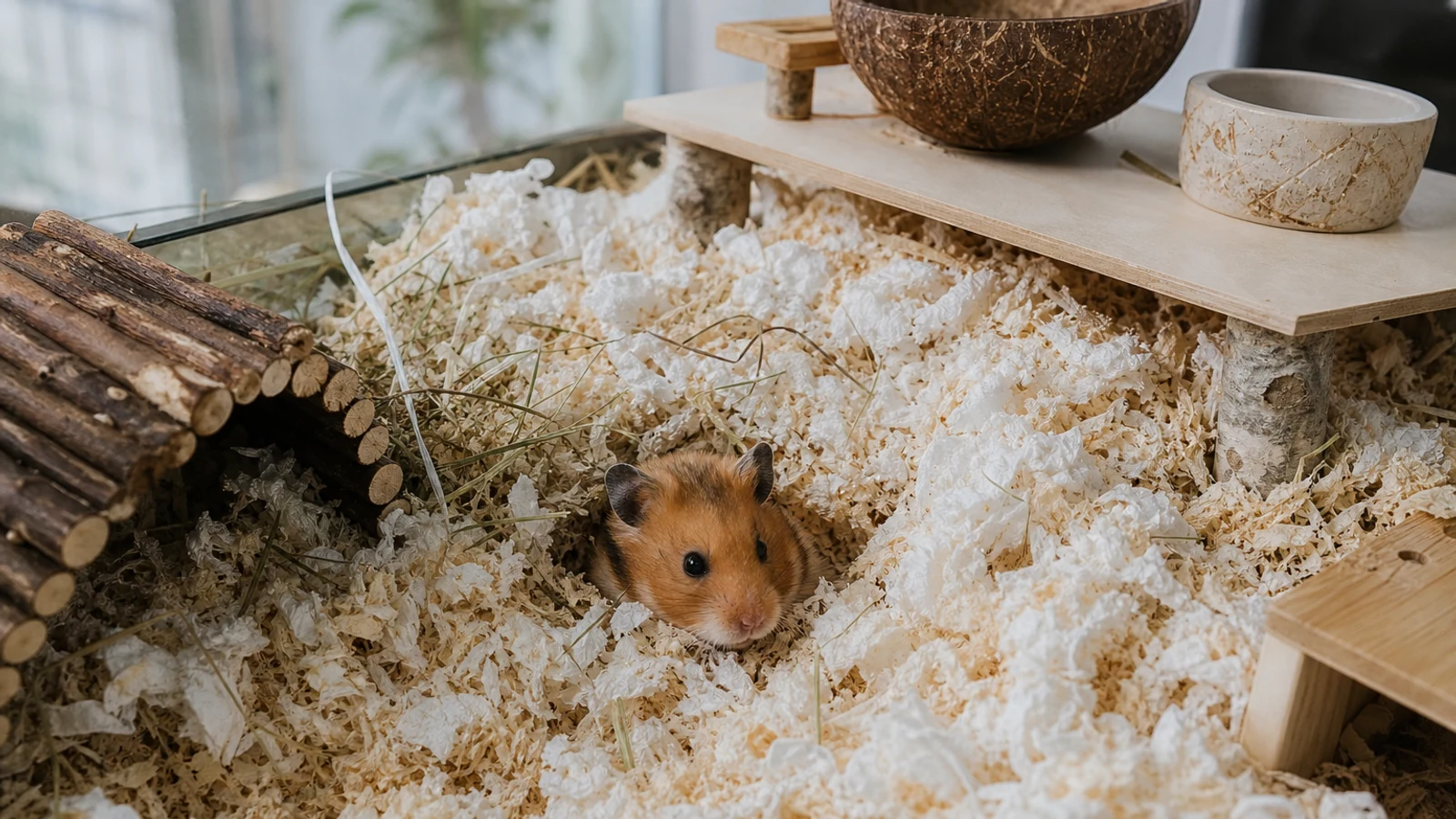
Paper bedding is usually the easier starting point for deep hamster burrows, while aspen can add structure, absorbency, and a different texture. The best choice depends on your enclosure, cleaning routine, and how your hamster responds to the material.
Quick answer
Choose paper bedding if your priority is soft nesting material and stable, deep burrows with fewer wood-related uncertainties. Choose aspen if you want a labeled hardwood option with a lighter texture and useful absorbency, or mix it with paper to balance structure and comfort. In either case, use unscented, low-dust material, provide enough depth for burrowing, and avoid cedar, pine, dusty sawdust, scented bedding, and fluffy nesting products.
Shop this guide
Current Amazon options
Six current listings related to this buying decision. Use the guide to compare fit and trade-offs, then verify the latest seller, price, size, and availability on Amazon.
As an Amazon Associate I earn from qualifying purchases. Product availability, seller, price, and listing details can change.
Key decision checks
The practical difference: paper favors burrows, aspen favors texture and structure
For most hamster homes, paper bedding is the simpler all-purpose choice. It is soft, easy to shape, and commonly used as a deep substrate and nesting material. A good paper product can form stable tunnels when packed into a deep enclosure, although performance varies between brands, flake sizes, and how firmly the bedding is layered.
Aspen is a type of hardwood shaving that can be appropriate when it is clearly labeled, clean, unscented, and low in dust. It may provide a springier, more textured substrate and can contribute to absorbency, but loose shavings often do not hold long burrows as reliably as compacted paper. That is why many welfare guides suggest using aspen with paper-based bedding rather than treating it as the only material in every setup.
- Paper usually suits owners prioritizing burrowing, nesting, and a soft feel.
- Aspen can suit owners who want a hardwood substrate or more texture in the enclosure.
- A paper-and-aspen blend can reduce the weaknesses of either material.
- The individual product matters more than the material name alone: inspect for dust, fragrance, sharp pieces, and unclear wood sourcing.
Choose paper bedding when burrowing and nesting are the main jobs
Paper is the better starting point when your hamster spends much of its active time digging, building chambers, or carrying bedding into a hide. It is also practical when you want one material to serve as the main substrate and part of the nest. Torn, unscented toilet paper or plain paper can be offered separately for nesting, but it should not replace a deep base layer.
Paper does not automatically mean dust-free or high quality. Some products crumble into fine particles, contain strong fragrance, or become difficult to clean once wet. Scented bedding is unnecessary, and colored paper should be assessed carefully rather than assumed to be safer or more comfortable. If your hamster develops repeated sneezing, nasal discharge, noisy breathing, irritated eyes, or a sudden change in behavior, stop treating the issue as a bedding preference and contact a veterinarian familiar with small mammals.
- Look for unscented material with minimal visible dust.
- Choose a texture that compresses into tunnels rather than immediately collapsing.
- Keep a separate supply of plain, soft nesting material.
- Check wet areas regularly instead of waiting for the entire enclosure to smell.
Choose aspen when you want a labeled hardwood option or a mixed substrate
Aspen can be useful when you want to include a hardwood shaving that is generally accepted as safer than cedar or pine for hamster bedding. It can add variation to the floor texture and may work well in areas that become damp quickly. However, “wood bedding” is not specific enough: the package should identify the wood, and the product should not be mixed with unknown shavings, sawdust, or treated workshop waste.
The main limitation is burrow performance. Depending on flake size and enclosure depth, aspen may shift around a hamster instead of forming a lasting tunnel. A practical arrangement is to make paper the deeper, compactable foundation and add a modest amount of aspen through part of the habitat. Soft hay can also add structure, but it should be clean and free of mold or sharp, problematic pieces.
- Use only clearly identified aspen intended for animal bedding.
- Reject bags with heavy dust, strong odor, chemical fragrance, or mixed/unknown wood.
- Do not substitute carpenter’s shavings or wood from a workshop.
- Use paper bedding if the aspen alone cannot support safe, stable burrows.
For many setups, mixing paper and aspen is the most flexible answer
A mixture can make sense when you want paper’s tunnel-building ability and aspen’s texture or absorbency. It also lets you observe what your hamster actually uses: some hamsters burrow intensely in compacted paper, while others distribute different materials through separate sleeping, toilet, and food-storage areas. Introduce a new material gradually so you can identify whether dust, odor, or a particular texture causes a problem.
There is no required ratio that works for every enclosure. Start with paper as the main deep layer, then add aspen in a smaller section or blend it through the upper layer. Keep the habitat deep enough to dig, leave hides and platforms stable, and avoid compressing the bedding so tightly that the hamster cannot move through it. If tunnels collapse repeatedly, change the bedding composition or increase the depth rather than adding more loose shavings indefinitely.
- Use paper as the foundation when tunnel stability is the priority.
- Add aspen in a defined zone if you want texture without making the whole habitat loose.
- Watch for dust on surfaces, sneezing, eye irritation, and avoidance of a newly added area.
- Remove only soiled sections during routine care when possible, preserving clean nesting material.
Compare options for your pet
Paper vs Aspen Bedding for Hamsters: Which Fits Your Setup?
Compare current Amazon listings using the fit and safety checks in this guide. Confirm size, specifications, seller and availability before ordering.
See on Amazon →As an Amazon Associate I earn from qualifying purchases. Links open Amazon search results; individual listings have not been independently verified.
Build the bedding layer around the hamster’s behavior
The bedding material cannot compensate for an enclosure that is too shallow or crowded. Hamsters need room for a deep substrate, hides, a solid exercise wheel, food storage, and clear paths between activity areas. Many welfare recommendations call for a deep layer, with some advising around 10 inches where the enclosure allows. Treat that as a practical target rather than a substitute for species-appropriate enclosure design or the needs of a particular hamster.
Press the bedding gently into the base and create deeper areas rather than spreading a thin, even layer everywhere. Place heavy objects on stable surfaces so they cannot collapse into a tunnel. Keep water equipment from leaking into the substrate, and provide plain paper strips or another safe nesting material separately. The hamster should be able to burrow, hide, and build a nest without being forced to sleep on a bare floor.
- Prioritize floor area and usable bedding depth over decorative accessories.
- Anchor heavy hides and platforms so burrows cannot undermine them.
- Keep food, water, and the toilet area easy to inspect.
- Replace wet or contaminated sections promptly, but avoid removing every familiar scent during every clean.
Avoid unsafe substitutions and judge the product by its label and condition
Cedar and pine shavings are commonly excluded from hamster-care guidance because aromatic compounds, dust, and product variability can create respiratory or skin concerns. Do not assume that a bag labeled only “wood shavings” is equivalent to labeled aspen. Avoid scented bedding, dusty sawdust, cat litter, corncob products unless specifically advised for the individual animal, and fluffy cotton-like nesting materials that can wrap around limbs or cause problems if swallowed.
Packaging claims such as “natural” or “premium” are not enough to establish suitability. Check the ingredients or wood type, inspect the opened bag, and return material that is damp, moldy, unusually sharp, or strongly scented. Keep bedding dry during storage. If your hamster has breathing changes, persistent scratching, skin lesions, reduced appetite, lethargy, or other illness signs, consult a veterinarian rather than testing multiple bedding products at home.
- Avoid cedar, pine, unknown wood, workshop shavings, and heavily dusty products.
- Do not use scented bedding to mask odor.
- Do not use cottony or stringy nesting fluff.
- Treat persistent respiratory, skin, appetite, or behavior changes as veterinary concerns.
A simple decision guide for common hamster setups
Start with paper if you are setting up a hamster habitat for the first time, want dependable burrowing, or prefer one broadly useful substrate. Consider adding aspen if the habitat needs more texture, if your hamster appears comfortable with it, or if a mixed substrate helps separate dry and damp areas. Choose all-paper bedding if your hamster is especially sensitive to dust or if you cannot verify the quality and identity of available wood shavings.
Aspen-only setups can work for some owners and animals, but they require closer attention to burrow collapse, sharp flakes, dust, and the hamster’s response. The most defensible choice is not the material with the strongest marketing claim; it is the clean, unscented, low-dust substrate that supports burrowing and remains manageable in your actual enclosure. When uncertain, ask an exotic-animal veterinarian or species-qualified hamster care professional to review the setup.
- First-time setup: begin with quality paper bedding.
- Deep-burrowing setup: use paper as the main material and test a small aspen zone if desired.
- Dust-sensitive hamster: favor the least dusty product and seek veterinary guidance for symptoms.
- Budget-conscious setup: compare usable volume and how much clean bedding must be discarded, not just bag price.
Common questions
FAQ
Can hamsters use aspen bedding by itself?
Some hamsters can use correctly identified, low-dust aspen, but it may not hold deep burrows as well as paper. If tunnels collapse or your hamster cannot create a stable nest, use paper as the main substrate or mix the two.
Is paper bedding safer than aspen bedding?
Neither material is automatically safe because quality varies. Unscented, low-dust paper is often the easier choice for burrowing, while labeled aspen can be an appropriate hardwood option. Avoid cedar, pine, unknown wood, fragrance, and dusty products.
How deep should hamster bedding be?
Provide a genuinely deep layer that allows the hamster to burrow and build a nest. Some welfare guidance recommends about 10 inches where the enclosure allows, but enclosure size, hamster species, stability of the bedding, and safe placement of heavy items also matter.
Can I mix paper bedding and aspen?
Yes. A paper-heavy base with some aspen mixed through or placed in a separate area can provide both burrow support and texture. Introduce the new material gradually and monitor dust, tunnel stability, and your hamster’s behavior.
What should I do if my hamster sneezes after changing bedding?
Check for visible dust, fragrance, dampness, and unknown wood, then move the hamster to a clean, familiar, low-dust setup if appropriate. Persistent sneezing, breathing noise, nasal discharge, eye irritation, or reduced activity warrants prompt advice from a veterinarian experienced with hamsters.
Sources & further reading
Where the factual guidance comes from
Ready to choose?
Paper vs Aspen Bedding for Hamsters: Which Fits Your Setup?
Compare current Amazon listings using the fit and safety checks in this guide. Confirm size, specifications, seller and availability before ordering.
See on Amazon →As an Amazon Associate I earn from qualifying purchases. Links open Amazon search results; individual listings have not been independently verified.
Keep researching