Other Pets · Beds & Comfort
Fleece vs Paper Bedding for Guinea Pigs: Which Trade-Offs Matter?
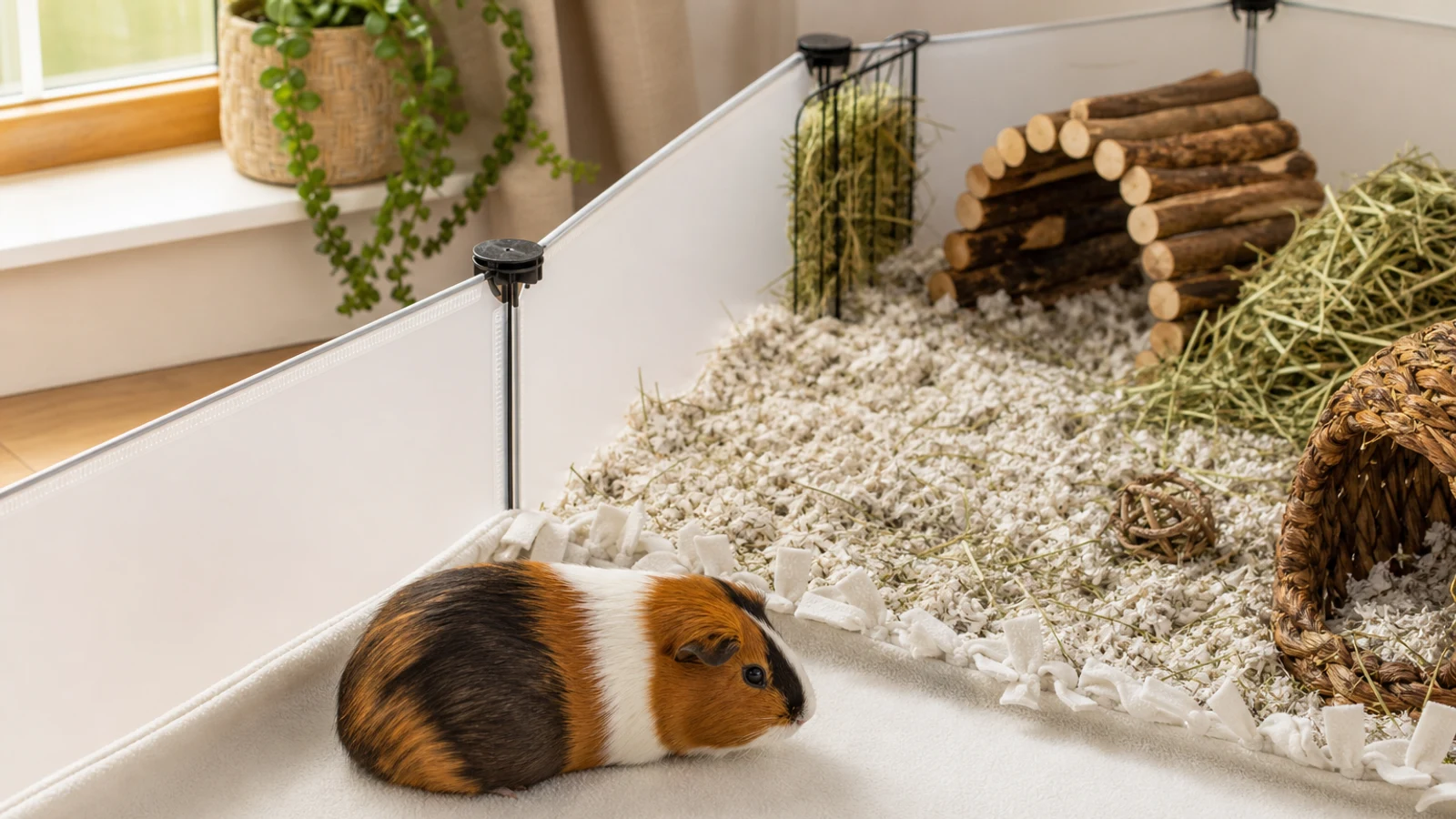
Fleece and paper can both work for guinea pigs, but they shift the daily workload in different directions. Paper is simpler to replace; fleece can reduce disposable waste but requires a properly absorbent layer, laundry, and careful monitoring for dampness or chewing.
Quick answer
Choose paper bedding if you want a disposable, straightforward setup that is easy to replace when soiled. Choose fleece if you can manage daily sweeping, regular laundry, and an absorbent layer underneath. Neither material is automatically better: the best option is the one that stays dry, does not shed hazardous fibers or excessive dust, and fits your cleaning routine.
Shop this guide
Current Amazon options
Six current listings related to this buying decision. Use the guide to compare fit and trade-offs, then verify the latest seller, price, size, and availability on Amazon.
As an Amazon Associate I earn from qualifying purchases. Product availability, seller, price, and listing details can change.
Key decision checks
The practical difference: disposable absorbency versus reusable flooring
Paper bedding is a loose, disposable material designed to surround and hold urine, droppings, and scattered hay. It is usually the more forgiving choice for households that want to remove soiled areas without washing fabric. Unscented, dye-free paper is a sensible starting point, and the bedding should be replaced whenever it becomes wet, compacted, or strongly soiled.
Fleece is a reusable surface, not an absorbent layer by itself. Urine must pass through the fabric into towels, washable pads, or a purpose-built absorbent liner underneath. That makes fleece feel soft and tidy when the system is working, but a poorly assembled or overdue liner can leave the surface damp. The meaningful choice is therefore not simply fleece versus paper; it is disposable bedding versus a reusable liner system.
- Paper usually means more frequent disposal and less laundry.
- Fleece usually means less loose bedding waste but more sweeping, washing, drying, and storage.
- Both setups need a solid enclosure floor and regular removal of wet or dirty areas.
Which option is easier to keep dry and comfortable?
Paper makes wet spots easier to remove because the soiled material can be lifted out and replaced. Its performance depends on using enough bedding and checking high-use areas, especially beneath hay, food, water, and favorite hiding places. A dry sleeping area matters more than whether the material is disposable or reusable.
Fleece can provide a soft, stable walking surface, but comfort depends on the complete construction. The top fabric should allow moisture to move through, while the layer underneath must hold that moisture away from the guinea pig. If the fleece stays wet, smells strongly of urine, or bunches up to expose a damp base, change or correct the setup rather than relying on the fabric’s surface appearance.
- Check the feet, belly, and resting areas for dampness or urine residue.
- Use fleece without loose threads, frayed edges, or accessible strings.
- Replace or rework any liner that shifts, bunches, or allows the guinea pig to reach unsafe materials underneath.
Cleaning workload: where the trade-off becomes real
Paper is usually faster during a full change: remove the old material, clean the enclosure, and add fresh bedding. It can be messy around the enclosure, and large habitats may use a substantial amount of material. Daily spot cleaning is still important because guinea pigs produce frequent droppings and commonly soil areas near hay and food.
Fleece trades disposal for maintenance. Daily sweeping or removal of droppings, hay, and uneaten food keeps the surface usable, while the liner needs regular washing and complete drying. Most households also need spare liners so the enclosure does not have to remain empty while one set is in the wash. Laundry access, drying space, and the ability to remove hay before washing are central buying considerations, not minor details.
- Choose paper when speed and simple replacement matter most.
- Choose fleece when you can maintain a repeatable laundry and spot-cleaning routine.
- Consider a hybrid layout: fleece in the main living area with paper in a hay or high-soiling zone.
Odor, dust, and waste: avoid assumptions
Neither option controls odor automatically. Odor is more strongly affected by enclosure size, ventilation, the number of guinea pigs, hay placement, moisture, and how promptly soiled areas are removed. Paper can smell when wet or overloaded; fleece can develop a strong urine odor when the absorbent layer is saturated or when washing does not remove buildup.
Paper creates ongoing waste but avoids washing fabric. Fleece can reduce the amount of disposable bedding used, yet it adds water, detergent, energy, and storage demands. It is reasonable to compare the whole routine rather than assuming one option is always more sustainable. A setup that is difficult to clean may be changed less often, which is a welfare problem regardless of its material footprint.
- Prefer unscented materials and avoid products marketed mainly through fragrance.
- Do not use dusty sawdust, strongly scented bedding, cedar, or raw pine products.
- Keep disposable absorbent pads inaccessible if your guinea pig may chew or ingest them.
Compare options for your pet
Fleece vs Paper Bedding for Guinea Pigs: Which Trade-Offs Matter?
Compare current Amazon listings using the fit and safety checks in this guide. Confirm size, specifications, seller and availability before ordering.
See on Amazon →As an Amazon Associate I earn from qualifying purchases. Links open Amazon search results; individual listings have not been independently verified.
Safety checks before choosing a bedding system
Veterinary and welfare guidance supports paper and fleece, but material quality and individual behavior still matter. Recycled paper products should be appropriate for small animals and free from added fragrance. Fleece systems should use intact fabric and a secure absorbent layer. Guinea pigs that chew or ingest fabric need closer supervision and may be better suited to a different arrangement.
Bedding cannot compensate for a cramped, wire-bottomed, damp, or poorly ventilated enclosure. A solid floor, sufficient room to move, hiding places, and frequent cleaning are foundational. If a guinea pig develops persistent wetness, sores, breathing changes, reduced appetite, or unusual behavior, bedding selection should not be treated as a diagnosis; contact a veterinarian familiar with guinea pigs or other exotic small mammals.
- Inspect fleece after every wash for holes, fraying, loose threads, and exposed backing.
- Choose low-dust, unscented paper and discard material that is visibly moldy or contaminated.
- Keep the guinea pig away from accessible puppy pads, plastic edges, and loose fibers.
- Ask a veterinarian about persistent skin, respiratory, urinary, or appetite concerns.
Which bedding fits your household?
Paper is the better fit for a household that wants a low-equipment routine, has limited laundry access, or prefers to remove all soiled material rather than wash it. It is also useful during quarantine, illness, enclosure changes, or travel when a simple disposable setup may be easier to inspect and replace. The trade-off is recurring material use, storage of bedding, and possible tracking outside the enclosure.
Fleece is the better fit when you have a washing machine, space for spare liners, and time for daily surface cleaning. It may suit households that dislike loose paper around the habitat or want a reusable base for a larger indoor enclosure. It is not a hands-off option, and it is not a good choice if the guinea pig persistently chews the fabric or if the household cannot keep the liner dry.
- Pick paper if you value simple replacement over reusable materials.
- Pick fleece if you can reliably manage laundry, spare liners, and moisture checks.
- Pick a hybrid setup if urine and hay are concentrated in predictable areas.
- Let the guinea pig’s behavior decide: chewing, digging, dampness, and skin sensitivity may rule out a format.
A simple decision checklist
Before buying bedding, match the material to the enclosure and your actual weekly routine. The safest option is the one you will clean often enough to keep the surface dry and the guinea pig comfortable. Start with a manageable area, observe where urine and hay accumulate, and adjust the layout rather than waiting for odor or dampness to become obvious.
For either system, introduce changes gradually when practical and watch for chewing, slipping, hiding, or reluctance to move. Keep hay and food areas especially clean because guinea pigs often spend much of their time there. If you are caring for a sick, elderly, long-haired, or mobility-limited guinea pig, ask an exotic-animal veterinarian whether the bedding and cleaning plan needs modification.
- Can you remove wet areas every day?
- Do you have enough space and time for fleece laundry and drying?
- Will the material remain free of loose fibers, strings, fragrance, and excessive dust?
- Can you clearly tell when the absorbent layer is damp?
- Does the setup stay comfortable for this particular guinea pig?
Common questions
FAQ
Can guinea pigs use fleece without towels or another absorbent layer?
Usually no. Fleece mainly acts as a wicking surface, so it needs an absorbent layer beneath it to hold urine. Without that layer, moisture can remain near the guinea pig or reach the enclosure base.
Is paper bedding safer than fleece for a guinea pig that chews fabric?
It may be a more practical choice if the guinea pig persistently pulls at or ingests fleece. Use an appropriate, unscented, low-dust paper product and monitor the enclosure for dampness. Speak with a veterinarian if chewing is accompanied by appetite changes or other unusual behavior.
Can paper and fleece be used together?
Yes. A common approach is fleece in the main enclosure with paper in a hay area, litter tray, or other high-soiling zone. The combination can reduce laundry or help concentrate wet bedding where it is easier to remove.
How often should guinea pig bedding be changed?
There is no single interval that fits every enclosure. Spot clean daily and replace or wash bedding whenever it is wet, heavily soiled, or odorous. Larger enclosures and fewer guinea pigs may extend the usable interval, while small or heavily used areas require more frequent attention.
When should a veterinarian be involved?
Contact a veterinarian familiar with guinea pigs if you notice persistent damp fur, urine scald, sore feet, skin irritation, coughing or breathing changes, reduced appetite, lethargy, or a sudden change in elimination. Bedding can affect comfort, but it cannot identify or treat an underlying illness.
Sources & further reading
Where the factual guidance comes from
Ready to choose?
Fleece vs Paper Bedding for Guinea Pigs: Which Trade-Offs Matter?
Compare current Amazon listings using the fit and safety checks in this guide. Confirm size, specifications, seller and availability before ordering.
See on Amazon →As an Amazon Associate I earn from qualifying purchases. Links open Amazon search results; individual listings have not been independently verified.
Keep researching