Cats · Litter & Cleanup
Metal vs Plastic Litter Scoop: Which Is More Practical?
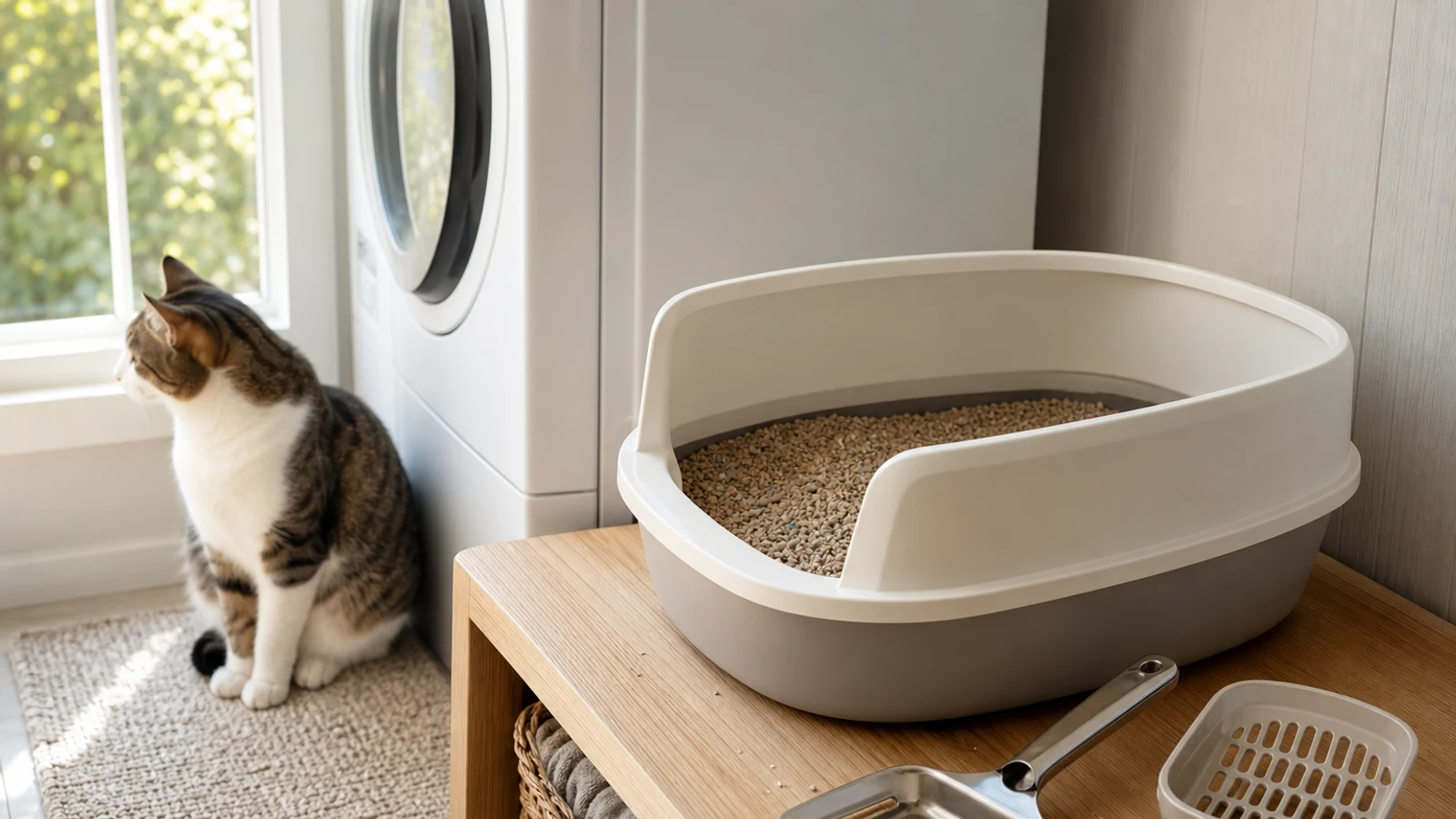
Metal litter scoops usually offer more rigidity and easier long-term cleaning, while plastic scoops are lighter, quieter, and often gentler on plastic litter boxes. The best choice depends on your litter, box material, hand comfort, and cleaning routine.
Quick answer
Choose a metal scoop if you use heavy clumping litter, need a rigid edge for packed clumps, or want a tool that is easy to wash and keep for years. Choose plastic if low weight, quieter scraping, lower replacement cost, and reduced risk of scratching a plastic box matter more. In either material, slot spacing, head depth, edge shape, handle comfort, and construction quality matter as much as the material itself.
Shop this guide
Current Amazon options
Six current listings related to this buying decision. Use the guide to compare fit and trade-offs, then verify the latest seller, price, size, and availability on Amazon.
As an Amazon Associate I earn from qualifying purchases. Product availability, seller, price, and listing details can change.
Key decision checks
Metal and plastic solve different litter-box problems
Metal is usually the more forceful option. A well-made stainless steel or aluminum scoop stays rigid when you slide under a large urine clump, scrape a stuck area, or lift a deep load of litter. That rigidity can make daily scooping faster with dense clumping clay, especially when a plastic scoop flexes instead of cutting cleanly through the clump.
Plastic is usually the lighter and quieter option. It is easier to handle during long cleaning sessions, makes less scraping noise against a hard box, and is less likely to mark a plastic pan when used carefully. A sturdy plastic scoop can work very well, but thin or poorly supported designs may bend, crack, or lose their edge sooner.
- Pick metal for rigidity, heavy clumps, and long-term tool use.
- Pick plastic for low weight, quieter scraping, and a gentler feel against plastic boxes.
- Treat material as one factor; head shape and slot layout often determine whether the scoop actually works well.
Choose metal for hard clumps and frequent heavy-duty scooping
Metal has the clearest advantage when clumps are dense, large, or partly attached to the bottom or side of the box. A firm scoop can push under the edge without folding, while a narrow leading edge can help separate waste from clean litter. This is particularly useful in multi-cat homes, large boxes, or routines where a full cleaning is done less often than ideal.
Stainless steel is generally the more practical metal choice for a household scoop because it is non-porous and straightforward to wash. Aluminum can also be light and rigid, but the finish and construction still matter. Look for a smooth head, a securely joined handle, and no exposed seams where wet litter can collect. Material labels alone do not guarantee a durable tool.
- Use metal when packed clumps are the main frustration.
- Prefer a smooth, well-finished head that can be rinsed without trapping residue.
- Check the handle connection; a strong head with a weak joint is still a poor scoop.
- Avoid assuming every metal scoop is corrosion-proof or dishwasher-safe unless the manufacturer says so.
Choose plastic for lighter handling and quieter cleanup
Plastic makes sense when the scoop is used by someone with limited hand strength, when the litter box is in a quiet room, or when the tool needs to be lifted repeatedly during a large cleanup. Its lower weight can make a noticeable difference across several boxes. Plastic also tends to be less alarming when it contacts a rigid plastic pan.
The trade-off is variability. Some plastic scoops are thick and well supported; others flex under weight or develop cracks around the handle and slots. Plastic can also retain stains or odors more readily after repeated exposure to wet litter, especially if the surface becomes scratched. That does not make it automatically unhygienic, but it makes cleaning and replacement more important.
- Choose plastic when weight and noise matter more than maximum rigidity.
- Look for reinforced ribs, a thick leading edge, and a handle that does not twist under load.
- Replace a scoop if it develops deep scratches, cracks, sharp edges, or residue that cannot be removed.
- Do not confuse a flexible plastic head with a deliberately flexible design; excessive bending reduces control.
Match the scoop to your litter and box
Slot spacing is more important than the metal-versus-plastic label. Tight slots retain small clumping litter and fine particles but may slow work with pellets or larger grains. Wider slots let clean litter fall through quickly but can drop small waste pieces. If you use non-clumping litter, pellets, crystals, or a plant-based product, compare the scoop openings with the actual particle size before buying.
The box itself also affects the decision. A metal edge can be useful for scraping a stuck clump from a sturdy surface, but repeated forceful contact may scratch or mark some plastic pans. A plastic scoop is generally the safer default for a thin or easily marked box. Neither option should require aggressive scraping; if waste repeatedly bonds to the pan, review litter depth, scooping frequency, and the box surface rather than relying only on a sharper tool.
- For fine clumping litter, choose narrow, evenly spaced slots that do not let small waste pieces fall through.
- For pellets or coarse litter, choose wider openings so usable litter does not remain trapped in the scoop.
- For a plastic box, favor a rounded or protected edge unless stuck clumps are a persistent problem.
- For a metal box, consider noise and surface contact as well as scraping strength.
Compare options for your pet
Metal vs Plastic Litter Scoop: Which Is More Practical?
Compare current Amazon listings using the fit and safety checks in this guide. Confirm size, specifications, seller and availability before ordering.
See on Amazon →As an Amazon Associate I earn from qualifying purchases. Links open Amazon search results; individual listings have not been independently verified.
Cleaning and durability should guide the purchase
A scoop is a waste-contact tool, so easy cleaning matters more than appearance. Rinse or wash it according to the manufacturer’s instructions, remove visible residue from the slots and handle joint, and let it dry fully before storing it. A smooth metal surface is often simpler to wipe and sanitize than a deeply scratched plastic surface, but any scoop can become dirty if it is left beside the box with wet residue on it.
Daily scooping is still the main hygiene and odor-control step. Veterinary guidance commonly recommends removing urine and feces at least once daily, with more frequent attention for multiple cats or heavily used boxes. The scoop can support that routine, but no material compensates for delayed cleaning or a box that is too small, overcrowded, or difficult to access.
- Store the scoop where it can dry rather than in a sealed, damp container.
- Wash the scoop separately from food and water dishes.
- Inspect slots, seams, and the handle joint for trapped litter or waste.
- Use gloves when appropriate and wash hands after litter-box maintenance.
- Follow product instructions before using disinfectants, bleach, or a dishwasher.
The most practical choice by household need
For one cat using fine clumping litter in a standard plastic box, either material can be practical. A medium-depth scoop with comfortable slots and a stable handle is usually more important than choosing metal by default. Plastic is a sensible budget and low-noise choice when the scoop is thick enough to resist bending; metal is worthwhile when you regularly deal with large clumps or want easier long-term scrubbing.
For multiple cats, large boxes, or frequent hard-clump problems, metal is usually the more efficient starting point. For a senior household member, a child helping with supervised cleanup, or anyone who finds a heavy scoop tiring, a well-built plastic model may be more usable. If the box is easily scratched, choose a scoop with a rounded edge and use lifting motions instead of grinding the head across the pan.
- Best for heavy clumping litter: rigid metal scoop with a comfortable handle.
- Best for quiet rooms: lightweight plastic scoop or a metal design with a protected edge.
- Best for a scratch-sensitive plastic box: smooth plastic scoop with reinforced construction.
- Best for several litter boxes: prioritize grip, head capacity, and cleaning speed over appearance.
- Best for mixed litter types: choose slot spacing that matches the smallest waste pieces you need to retain.
When the scoop is not the real problem
A poor scoop can make cleanup frustrating, but sudden litter-box avoidance, straining, frequent trips, blood, diarrhea, constipation, or changes in urine or stool should not be treated as a product-selection issue. Elimination outside the box can have medical or behavioral causes. Contact a veterinarian promptly when those signs appear, particularly if a cat is straining to urinate or producing little or no urine.
If the problem is persistent odor, scattered litter, or repeated stuck clumps, assess the whole setup: box size, litter depth, litter texture, location, cleaning frequency, and the number of boxes. Many cats prefer clean, accessible boxes, and a product change should support that routine rather than replace it. A veterinarian or qualified feline behavior professional can help when a cat continues avoiding the box after basic setup issues are addressed.
- Seek veterinary advice for sudden changes in litter-box use or signs of illness.
- Do not use a sharper scoop to compensate for a box surface that is damaged or difficult to clean.
- Consider a second scoop style if different boxes use different litter types.
- Keep the cat’s comfort and reliable box access ahead of convenience features.
Common questions
FAQ
Is a metal litter scoop better than a plastic scoop?
Not universally. Metal is usually better for rigid handling, heavy clumps, and repeated washing, while plastic is often better for low weight, quieter use, and scratch-sensitive plastic boxes. Construction quality and slot spacing can outweigh the material difference.
Can a metal scoop scratch a plastic litter box?
It can, particularly if the edge is sharp and the scoop is dragged forcefully across the pan. Lift under clumps when possible, avoid grinding the scoop against the bottom, and choose a rounded or protected edge for a scratch-sensitive box.
What type of litter scoop works best for clumping litter?
A scoop with slots narrow enough to retain the waste pieces but wide enough to let clean litter fall through. For dense clumps, a rigid metal head is often easier to control, though a reinforced plastic scoop can also work.
How often should a cat litter scoop be cleaned?
Remove visible residue after use and wash it regularly according to the manufacturer’s care instructions. Let it dry fully before storage. The litter box itself should be scooped at least daily, with more frequent cleaning often needed in multi-cat homes.
Does a plastic scoop hold more odor than a metal scoop?
It may retain stains or odor more readily if its surface becomes scratched or if residue remains in seams. A smooth, well-cleaned plastic scoop may perform well, while a dirty or damaged metal scoop can also smell. Cleaning and condition matter more than material alone.
Should I replace a litter scoop when it bends?
Yes, if bending prevents you from lifting clumps cleanly or causes the edge to scrape the box. Replace any scoop with cracks, sharp damaged areas, loose joints, or residue that cannot be removed.
Sources & further reading
Where the factual guidance comes from
Ready to choose?
Metal vs Plastic Litter Scoop: Which Is More Practical?
Compare current Amazon listings using the fit and safety checks in this guide. Confirm size, specifications, seller and availability before ordering.
See on Amazon →As an Amazon Associate I earn from qualifying purchases. Links open Amazon search results; individual listings have not been independently verified.
Keep researching