Dogs · Feeding
Stainless Steel vs Silicone Dog Bowls: Which Is Easier for Daily Use?
Stainless steel is usually the easier everyday dog bowl, while silicone earns its place as a lightweight, quiet, packable option. The best choice depends on whether your priority is home durability or travel convenience.
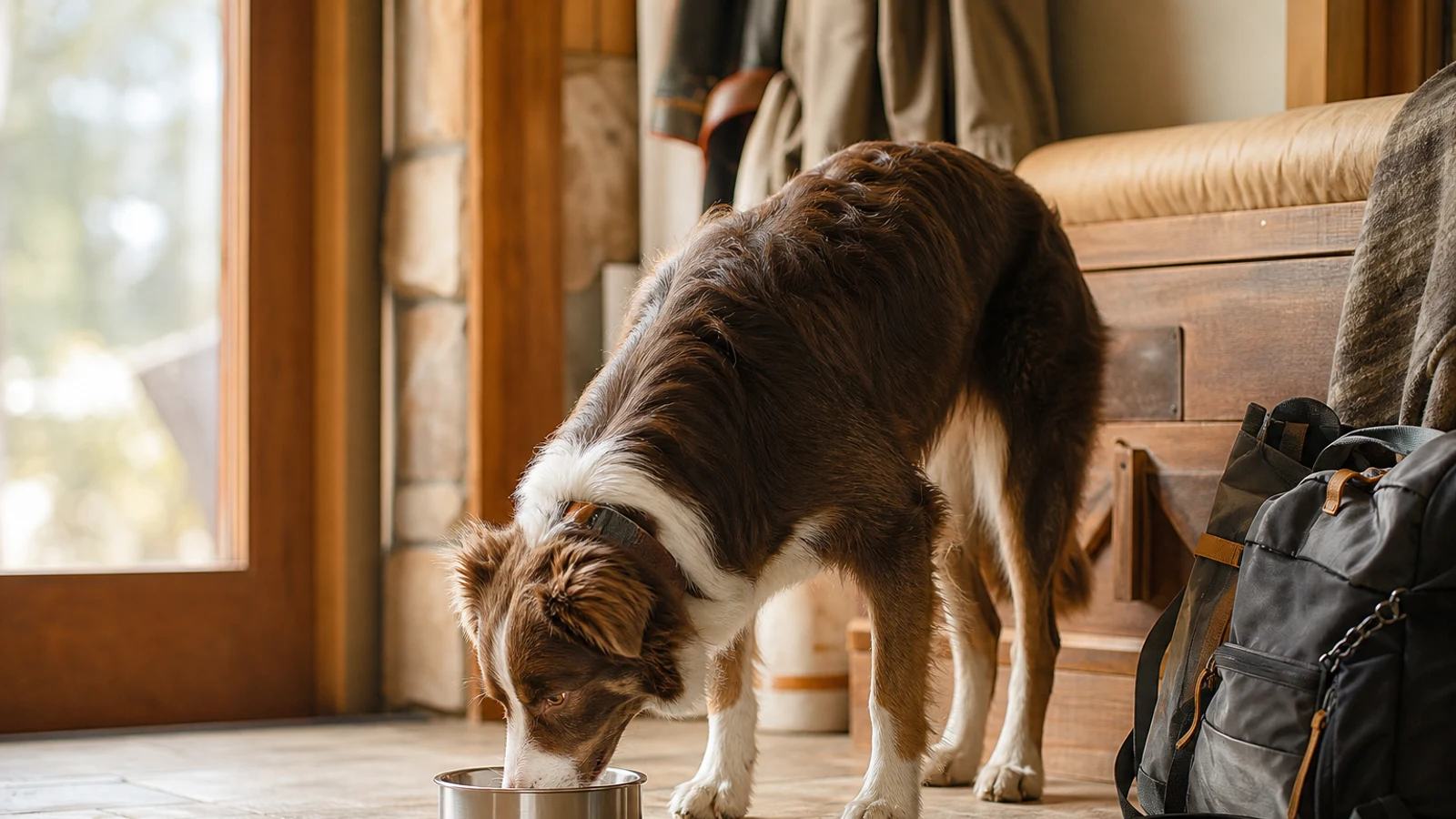
Quick answer
Choose stainless steel for a primary food or water bowl if you want a rigid, durable surface that is usually easy to wash and less tempting to chew. Choose silicone for travel, hiking, car rides, or dogs that dislike the clatter of metal. A quality silicone bowl can work at home, but inspect folds and edges carefully, wash them thoroughly, and replace the bowl if it becomes torn or deeply gouged.
Shop this guide
Current Amazon options
Six current listings related to this buying decision. Use the guide to compare fit and trade-offs, then verify the latest seller, price, size, and availability on Amazon.
As an Amazon Associate I earn from qualifying purchases. Product availability, seller, price, and listing details can change.
Key decision checks
The practical difference: home bowl versus portable bowl
Stainless steel is generally the simpler choice for a dog’s main food or water station. It stays rigid, tolerates routine washing, resists odors, and is less likely to be damaged by a dog that noses, flips, or mouths the bowl. Its drawbacks are practical rather than mysterious: a thin bowl can slide, ring against a hard floor, or make a noise that bothers a noise-sensitive dog.
Silicone is more useful when the bowl must fold, roll, or pack into a small space. It is lightweight and quieter on floors, and many travel bowls use flexible silicone for that reason. The compromise is that silicone depends more on its shape and construction: a soft bowl may collapse during enthusiastic eating, and its folds, seams, or rolled rim require deliberate cleaning and drying.
- Best default for daily home use: stainless steel.
- Best for hiking, road trips, daycare bags, and backup use: silicone.
- Best for noise-sensitive dogs: often silicone, provided the dog does not chew it.
- Best for determined chewers: usually stainless steel.
Which material is easier to keep clean?
Stainless steel usually has the easier cleaning routine because the bowl is rigid and has fewer places for residue to hide. A smooth, intact surface can be washed quickly by hand or placed in a dishwasher when the manufacturer permits it. Avoid treating every steel bowl as identical: welded seams, decorative coatings, rubber bases, and narrow bottoms can make a particular design harder to scrub or dry.
Silicone itself is not automatically difficult to clean, but collapsible designs create more inspection points. Food can collect in the crease where the bowl folds, under a rolled lip, or around a bonded base. Turn the bowl fully open, wash every fold with warm water and dish soap, rinse well, and let it dry completely before collapsing it for storage. Follow the product’s care instructions rather than assuming all silicone is dishwasher-safe.
- Wash food bowls after each meal, especially after wet or raw food.
- Refresh and clean water bowls regularly rather than topping off old water indefinitely.
- Use a brush or cloth that reaches folds and seams without damaging the surface.
- Do not use a bowl with deep scratches, pitting, peeling coating, tears, or persistent odor.
Durability, chewing, and daily wear
Stainless steel has the advantage when the bowl will receive years of routine handling. It does not crack like ceramic and is difficult for most dogs to chew through. It can dent, develop sharp damage after severe impact, or corrode if the metal or finish is poor, so discard a bowl with rust, pitting, rough edges, or a damaged coating rather than trying to restore it for feeding.
Silicone is flexible rather than rigid, which helps it survive drops and makes it convenient in a travel bag. That same flexibility makes it a poor match for a dog that treats the bowl as a chew toy. A small tear can grow during washing or folding, and swallowed pieces are a reason to remove the bowl immediately. Supervise a new silicone bowl until you know how your dog treats it.
- Choose stainless steel for bowl flippers, bowl carriers, and persistent chewers.
- Choose silicone when packability matters more than long-term rigidity.
- Inspect silicone after chewing, folding, freezing, or repeated outdoor use.
- Replace either material when damage creates grooves, sharp edges, loose pieces, or trapped residue.
Stability, noise, and comfort at mealtime
A stainless steel bowl may need help staying in place. Look for a broad footprint, a stable shape, or a removable non-slip base that does not create a difficult-to-clean gap. A heavy silicone-bottomed steel bowl can be quieter and steadier, but the added base may collect water and food debris. The dog’s eating style matters more than the material label alone.
Silicone is quieter and often offers more grip directly against the floor, but a very soft or shallow design may buckle when a dog pushes into it. For a large, fast, or enthusiastic eater, check that the bowl holds its shape when pressed from the side. If your dog has trouble eating, frequently coughs, regurgitates, or shows discomfort, ask a veterinarian about feeding setup rather than changing bowl material as a substitute for evaluation.
- For sliding: prioritize footprint and base design, not just material.
- For noise: silicone may be more comfortable than bare metal on tile or concrete.
- For messy eaters: choose a shape that is easy to lift, rinse, and dry fully.
- For short-muzzled or older dogs: consider access and bowl shape with veterinary guidance if feeding seems difficult.
Compare options for your pet
Stainless Steel vs Silicone Dog Bowls: Which Is Easier for Daily Use?
Compare current Amazon listings using the fit and safety checks in this guide. Confirm size, specifications, seller and availability before ordering.
See on Amazon →As an Amazon Associate I earn from qualifying purchases. Links open Amazon search results; individual listings have not been independently verified.
Safety and material quality checks
Neither stainless steel nor silicone is a guarantee of safe feeding on its own. For steel, look for a clearly identified food-contact material and a smooth, intact interior. For silicone, look for a reputable manufacturer that identifies the material as food-grade and provides clear cleaning instructions. Avoid products with a strong persistent chemical odor, incomplete material information, peeling finishes, or construction that leaves inaccessible cavities around the food area.
Research on pet-bowl contamination suggests that food type and cleaning method can matter substantially, and that a dishwasher may remove contamination more effectively than inconsistent hand washing in some circumstances. That does not prove silicone is cleaner than stainless steel, or vice versa. It supports a more useful conclusion: an easy-to-clean bowl that your household actually washes thoroughly is preferable to a theoretically suitable bowl that is neglected.
- Check the interior for a smooth, continuous surface.
- Prefer designs with removable or minimal non-slip components.
- Confirm dishwasher use from the manufacturer, especially for silicone.
- Do not rely on labels such as “antibacterial” without clear care and material information.
Which bowl should you buy for common household needs?
For one primary bowl at home, stainless steel is the stronger all-around starting point for most dogs. It suits daily meals and water, stands up well to routine use, and is usually straightforward to wash. Add a non-slip feature if your dog pushes the bowl, and keep a second bowl available so one can dry while the other is in use.
For travel, silicone is often the more convenient answer because it takes up less space and is comfortable to carry. It is especially practical for hikes, park visits, car trips, and emergency backups. A sensible household may use both: stainless steel at home and silicone in the travel kit. That arrangement avoids forcing one material to perform every job.
- Primary home bowl: stainless steel, with a simple shape and easy-to-clean base.
- Travel bowl: collapsible silicone, inspected and washed after use.
- Quiet-mealtime priority: silicone or a steel bowl with a secure, quiet base.
- Chewing concern: stainless steel, with no exposed loose parts or damaged coating.
A simple buying and care checklist
The best bowl is the one that matches your dog’s behavior and your cleaning habits. Before buying, consider where the bowl will be used, whether your dog carries or chews it, whether your dishwasher can accommodate it, and how completely the bowl can dry. A convenient bowl that stays damp in a closed bag or hides residue in a folded seam is not convenient in practice.
For dogs with skin, mouth, gastrointestinal, or feeding problems, bowl choice should remain secondary to veterinary advice. A different material may improve cleaning or reduce nuisance issues, but it should not be presented as a treatment. Ask your veterinarian or another species-qualified professional if your dog develops persistent chin irritation, refuses food or water, vomits, coughs during meals, or has a special feeding plan.
- Match the bowl to the dog’s size and eating style.
- Prefer smooth interiors and accessible seams.
- Keep separate bowls for food and water if that makes cleaning easier.
- Dry completely before storing silicone in a closed bag or container.
- Reassess the bowl whenever your dog’s behavior, diet, mobility, or health needs change.
Common questions
FAQ
Can silicone dog bowls be used every day?
Yes, if the bowl is made for food contact, remains intact, and can be fully opened and cleaned. Daily use is less convenient when the design has deep folds, trapped moisture, or a soft structure that collapses while the dog eats. For many households, silicone works best as a secondary or travel bowl rather than the only bowl.
Are stainless steel bowls better than silicone for water?
Stainless steel is usually the easier long-term choice for a home water bowl because it is rigid and simple to rinse. Silicone can be useful outdoors or while traveling, especially when space and quiet handling matter. In either case, replace standing water regularly and clean the bowl instead of repeatedly topping it off.
Does silicone stop a dog bowl from sliding?
It can provide more grip than bare metal, but not every silicone bowl is heavy or rigid enough to stay put. A determined bowl pusher may still move it. Look at the bowl’s footprint, structure, and base design, and choose a shape that remains stable when pressed from the side.
Is stainless steel safe for dogs with allergies?
A smooth, intact, food-contact stainless steel bowl is widely used for dogs, but a bowl cannot diagnose or resolve an allergy. If your dog has recurring facial irritation, itching, sores, or other symptoms, consult a veterinarian. Also replace bowls with rust, pitting, rough edges, or damaged coatings.
How often should a silicone dog bowl be replaced?
There is no universal replacement interval. Replace it when it tears, becomes deeply gouged, develops a persistent odor, loses its shape, or can no longer be cleaned and dried thoroughly. Inspect travel bowls more often because folding, outdoor grit, and chewing can accelerate wear.
Sources & further reading
Where the factual guidance comes from
Ready to choose?
Stainless Steel vs Silicone Dog Bowls: Which Is Easier for Daily Use?
Compare current Amazon listings using the fit and safety checks in this guide. Confirm size, specifications, seller and availability before ordering.
See on Amazon →As an Amazon Associate I earn from qualifying purchases. Links open Amazon search results; individual listings have not been independently verified.
Keep researching