Dogs · Walking & Travel
Dog Travel Water Bottle vs Collapsible Bowl: Which Fits Your Trips?
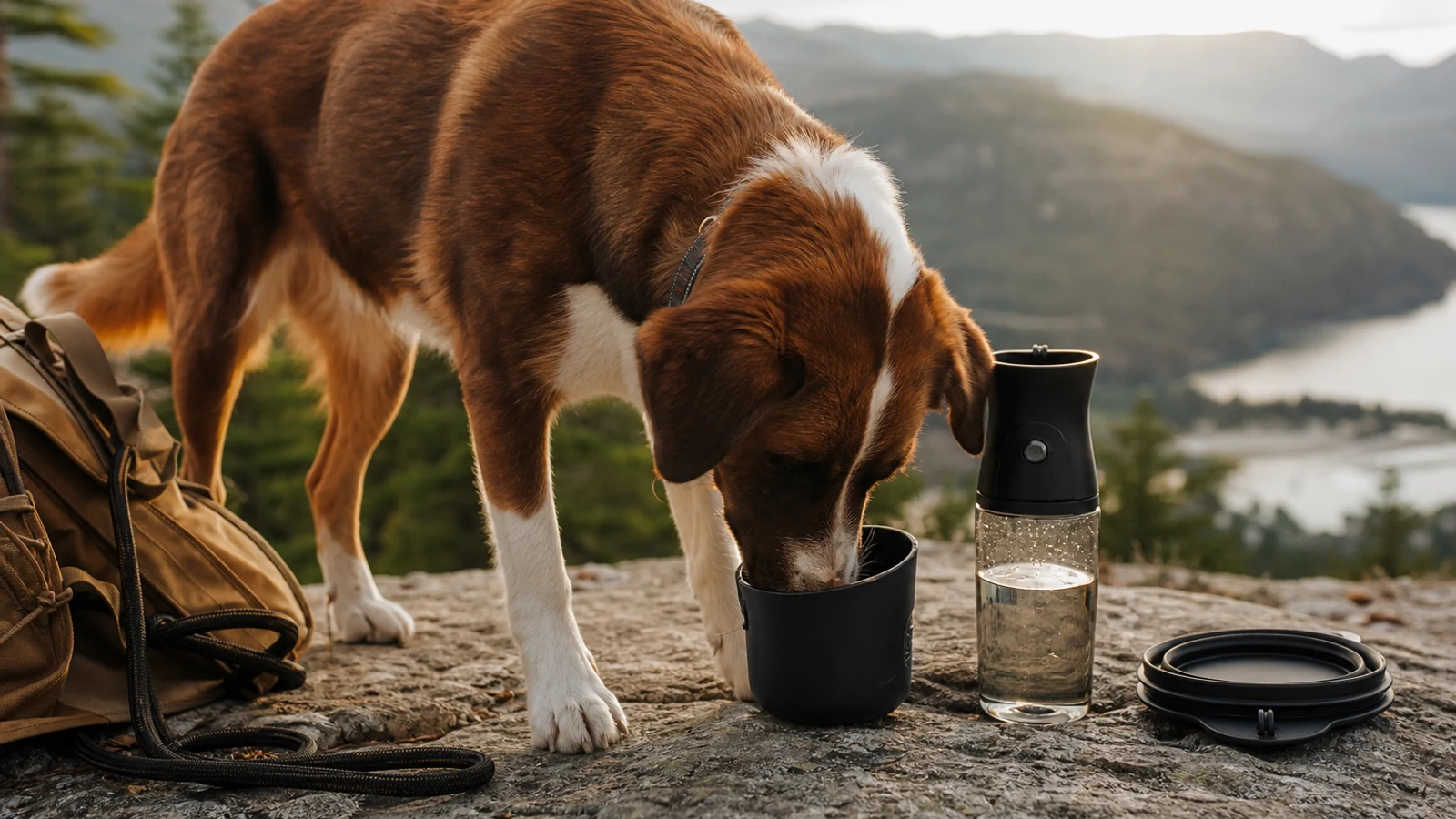
A dog travel water bottle carries and serves water in one item, while a collapsible bowl gives your dog a familiar open drinking surface but needs a separate water source. Choose the bottle for moving stops and limited water access; choose the bowl for longer breaks, shared water, meals, and easy packing. Many travelers benefit from carrying both.
Quick answer
Choose a dog travel water bottle when you need to carry water and offer small drinks quickly while walking, hiking, or making short stops. Choose a collapsible bowl when water is already available, your dog prefers a wide open bowl, or you need one dish for water and food. For road trips and overnight travel, carrying both is often the most flexible setup: the bottle handles quick breaks, while the bowl works at rest stops, hotels, campsites, and mealtimes.
Shop this guide
Current Amazon options
Six current listings related to this buying decision. Use the guide to compare fit and trade-offs, then verify the latest seller, price, size, and availability on Amazon.
As an Amazon Associate I earn from qualifying purchases. Product availability, seller, price, and listing details can change.
Key decision checks
The practical difference: water supply versus drinking container
A travel water bottle is primarily a water supply with a drinking feature attached. It lets you carry a measured amount of fresh water and offer it without finding a tap, setting a bowl on the ground, or handling a separate container. Many designs dispense water into an attached tray or cup; some allow unused water to return to the reservoir, although the seal and return mechanism vary by model.
A collapsible bowl solves a different problem. It gives your dog an open surface for drinking, but it does not provide water by itself. You must carry water separately or use a safe source at the stop. That separation makes the bowl more versatile for food, shared water, and longer pauses, but less self-contained for a walk where you are already carrying a leash, waste bags, and other gear.
- Bottle: carries water and serves it in one item.
- Collapsible bowl: provides the drinking surface but needs a separate water source.
- Bottle plus bowl: covers quick hydration and longer stops without asking one product to do every job.
Choose a travel water bottle for moving stops and limited water access
A bottle is usually the better fit for neighborhood walks, trailheads, hikes, festivals, outdoor events, and travel days with unpredictable access to water. It is especially useful when you expect to offer several small drinks while standing or walking. You can keep the water with you rather than relying on a park fountain, public bowl, stream, or destination tap that may be unavailable or unsuitable.
The bottle format can also reduce the amount of water poured out after a brief drink, depending on the design. That matters on hikes where every carried ounce counts. The trade-off is that the bottle itself takes up space even when empty, and the drinking tray, valve, or narrow opening can be harder to clean than a simple bowl. Your dog also needs to accept the way that particular bottle presents water.
- Best fit: hikes, walks, errands, events, and stops without a reliable water source.
- Useful when you want one-handed or low-setup drinking while holding a leash.
- Check whether the drinking area is wide enough for your dog’s muzzle and preferred drinking style.
- Avoid assuming a bottle replaces planned water breaks; it only makes water easier to offer.
Choose a collapsible bowl for longer breaks, meals, and familiar drinking
A collapsible bowl is the stronger choice when you will stop at a rest area, campsite, hotel, beach, rental home, or picnic site and can bring water in a larger shared container. It gives many dogs a more familiar open bowl, and its wider shape can make it easier to drink from than a small attached tray. It is also the more useful single dish if your dog needs both water and food during the trip.
The bowl usually packs flatter than a rigid bottle and can be clipped to a bag or stored in luggage. That helps when space matters more than one-handed convenience. Its main limitation is logistical: you still need a clean water container, a reasonably level place to set it down, and a way to deal with leftover water. Very soft or shallow bowls may also be awkward for large dogs or enthusiastic drinkers.
- Best fit: road-trip rest stops, hotels, campsites, meals, and destinations with water available.
- Useful for dogs that prefer drinking from a broad, open surface.
- Choose a base and rim that stay open when filled, especially for larger dogs.
- A bowl is not a substitute for carrying enough water; pack the water source separately.
Match the choice to the trip, not the product category
For a short walk near home, either option can work if you already know where water will be available and your dog drinks comfortably from the chosen design. For a hike or long outing, the bottle has a clearer advantage because it combines storage and serving. If the outing includes a long lunch, a campsite, or an overnight stay, the bowl becomes more valuable because it can remain open for a fuller drink and can also serve food.
Road trips often favor both products rather than one universal winner. A bottle is convenient at brief roadside stops, while a collapsible bowl is better at the destination or when you are pouring from a larger cooler container. Neither item is designed to sit safely full of water in a moving vehicle. For water available during driving, follow the vehicle, crate, carrier, or travel-bowl instructions for the specific setup and prevent spills from compromising restraint or comfort.
- Short walk or city outing: bottle if water access is uncertain; bowl if you already carry water.
- Hike or long trail: bottle for self-contained access; add a larger bowl for a longer rest or multiple dogs.
- Road trip: carry both when storage allows, using the bottle for quick stops and the bowl at destinations.
- Hotel, campsite, or rental: collapsible bowl usually earns its space because it handles water and meals.
Compare options for your pet
Dog Travel Water Bottle vs Collapsible Bowl: Which Fits Your Trips?
Compare current Amazon listings using the fit and safety checks in this guide. Confirm size, specifications, seller and availability before ordering.
See on Amazon →As an Amazon Associate I earn from qualifying purchases. Links open Amazon search results; individual listings have not been independently verified.
Check fit, capacity, cleaning, and leak control before buying
The most useful product is one your dog will actually drink from and you can reliably carry, open, clean, and dry. Introduce a new bottle or bowl at home before a trip. Some dogs readily use an attached tray; others ignore it because it is too narrow, too shallow, unstable, or unfamiliar. A familiar bowl may be the safer practical choice even when a bottle appears more convenient on paper.
Do not compare only the folded size or advertised capacity. Consider how much water is realistically available for your dog at each stop, whether the container is easy to refill, and how much space it takes when full. For a bottle, inspect the cap, lock, seams, valve, and tray. For a bowl, inspect the base, rim, material labeling, and whether it can be washed thoroughly rather than merely wiped.
- Drinking fit: broad enough for the dog’s muzzle, stable enough for normal use, and acceptable to the individual dog.
- Water planning: match capacity to the outing and refill access rather than choosing the smallest packed size.
- Leak control: test the closed product at home before placing it in a backpack, car, or luggage.
- Cleaning: look for smooth surfaces, removable parts where appropriate, and clear care instructions.
- Drying: wet gear stored in a closed bag can develop odor; allow the bottle tray or bowl to dry between uses.
Use clean water and treat hydration as a safety routine
Carry fresh water for your dog and offer it at planned breaks, especially during warm-weather exercise, travel, or unfamiliar outings. A travel container does not make questionable water safe. Avoid encouraging your dog to drink salt water, and be cautious with stagnant or contaminated sources. Veterinary and animal-welfare guidance consistently emphasizes access to fresh water, shade, rest, and frequent breaks rather than relying on one accessory to prevent heat-related problems.
Water gear is also not a treatment for illness or overheating. Heavy or persistent panting, weakness, confusion, vomiting, diarrhea, collapse, or abnormal dry or sticky gums can be emergency signs. Move the dog to a cooler area and contact a veterinarian or emergency veterinary hospital promptly. Dogs with heart, kidney, respiratory, weight, or heat-sensitivity concerns should have travel and exercise plans discussed with their veterinarian before strenuous outings.
- Bring more water than the minimum if the route is hot, remote, or difficult to refill.
- Offer water during breaks rather than waiting until the dog appears distressed.
- Never leave a dog unattended in a parked vehicle, even when the weather seems mild.
- Ask a veterinarian about travel or exercise planning for dogs with medical conditions or higher heat risk.
Bottom line: pick one, or build a two-piece travel kit
Buy the travel water bottle if your main problem is carrying water while moving. It is the compact, low-setup answer for walks, hikes, and short stops where a separate bowl would be inconvenient. Buy the collapsible bowl if your main problem is serving water or food at a destination and you already have a dependable water container. It packs flatter, usually works in more settings, and may suit dogs that prefer a conventional open bowl.
If your trips include both active travel and longer stops, carrying both is not overbuying; the products perform different jobs. Keep the bottle accessible for the walk or roadside break, and keep the bowl with the larger travel kit for meals, hotels, campsites, and rest areas. The best setup is the one that makes fresh water easy to offer without making your dog use a format they dislike.
- Choose the bottle for portability during movement.
- Choose the bowl for versatility at a stable destination.
- Choose both when one trip includes walking, driving, meals, and overnight stays.
- Choose neither as a substitute for shade, rest, safe travel restraint, or veterinary advice.
Common questions
FAQ
Can a collapsible bowl be used on a hike?
Yes, if you carry water separately. The bowl is useful when you want a larger or more familiar drinking surface, but it adds an item and setup step. For hikes where you are carrying every drop, a bottle with an attached drinking area may be simpler. A bowl can still be worthwhile for larger dogs, multiple dogs, or longer rest stops.
Are dog travel water bottles suitable for every dog?
No. Some dogs dislike narrow openings, small trays, unfamiliar materials, or water presented at an unusual angle. Offer the product at home before relying on it during travel. If your dog refuses it, use a familiar bowl and separate water container instead. Persistent reluctance to drink, especially with illness or heat exposure, warrants veterinary advice.
Should I use a bottle or bowl inside a moving car?
Neither a typical travel bottle nor an open collapsible bowl is automatically appropriate for use while the vehicle is moving. A bottle generally requires handling, while an open bowl can spill during braking or turns. Use a travel-water setup designed for the specific vehicle, crate, or carrier, and prioritize secure restraint and ventilation. Offer water during planned stops unless your veterinarian or travel setup calls for another arrangement.
How should I clean a dog travel bottle or collapsible bowl?
Follow the manufacturer’s care instructions, wash after use, and pay attention to seams, valves, attached trays, and folds where residue can remain. Let the item dry fully before storing it in a closed bag. If a product has removable parts, confirm that they can be reassembled securely and do not trap standing water.
Is carrying both products unnecessary?
Not usually when the trip includes different types of stops. The bottle carries and serves water during movement, while the bowl is better for longer drinking sessions, meals, shared water, and destinations. For a short predictable walk, one product may be enough. For road trips, camping, or overnight travel, the two-piece setup is often more flexible.
Sources & further reading
Where the factual guidance comes from
Ready to choose?
Dog Travel Water Bottle vs Collapsible Bowl: Which Fits Your Trips?
Compare current Amazon listings using the fit and safety checks in this guide. Confirm size, specifications, seller and availability before ordering.
See on Amazon →As an Amazon Associate I earn from qualifying purchases. Links open Amazon search results; individual listings have not been independently verified.
Keep researching