Dogs · Walking & Travel
Dog Carrier Backpack vs Sling: Which Fits Short Outings Better?
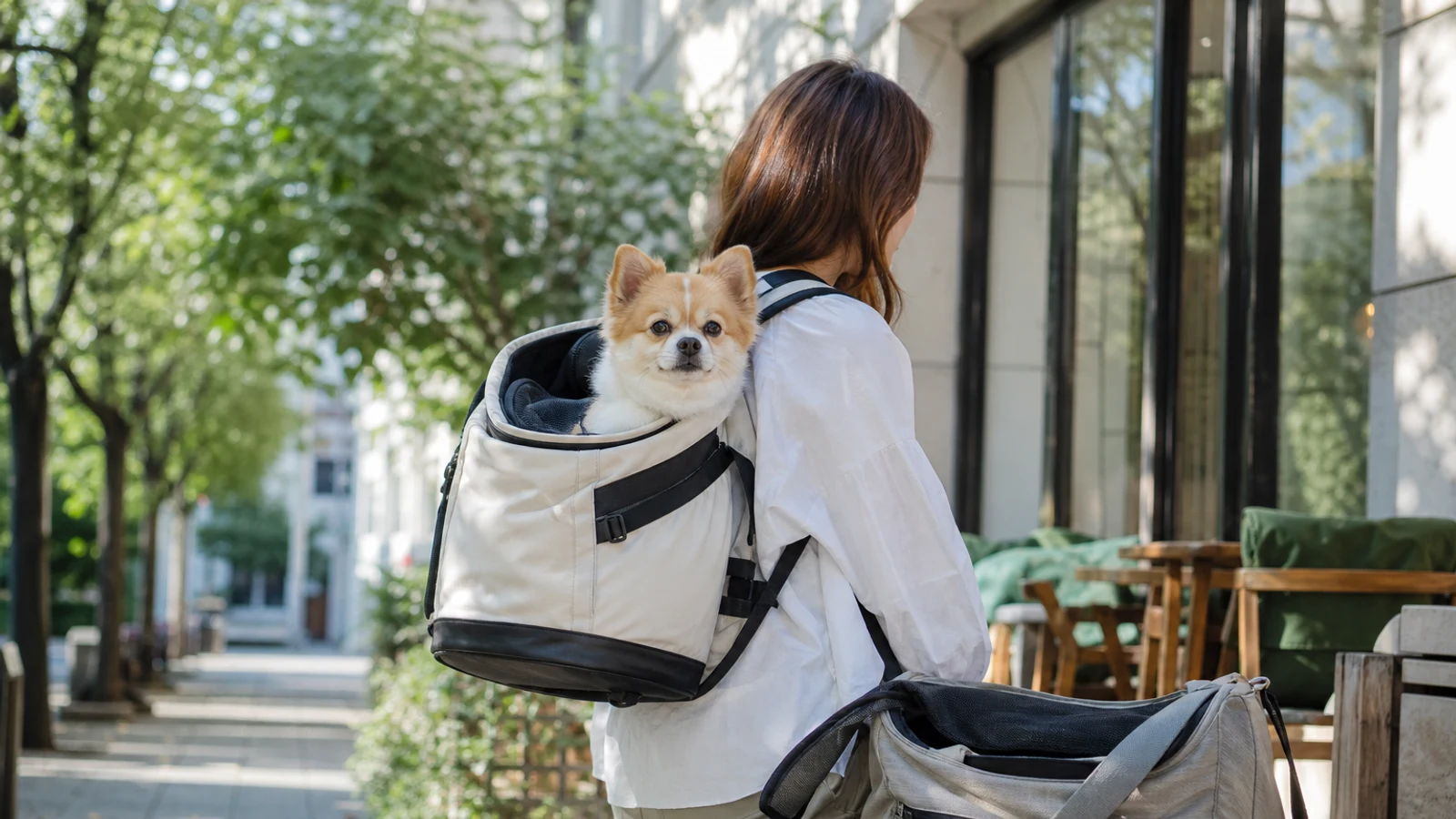
For a tiny, calm dog and a quick, low-intensity outing, a sling is usually the simpler choice. A backpack is often better when you need more stability, two-shoulder weight distribution, or both hands free. Fit, ventilation, support, and escape prevention matter more than the label on the bag.
Quick answer
Choose a dog sling for very short, calm outings when your small dog likes close contact and you want the lightest, quickest carrier. Choose a backpack when you expect more walking, stairs, crowds, uneven ground, shifting movement, or one-shoulder discomfort. Neither style is automatically safer: the carrier must support your dog’s body, allow comfortable breathing, stay secure, and match the manufacturer’s measurements and weight limits.
Shop this guide
Current Amazon options
Six current listings related to this buying decision. Use the guide to compare fit and trade-offs, then verify the latest seller, price, size, and availability on Amazon.
As an Amazon Associate I earn from qualifying purchases. Product availability, seller, price, and listing details can change.
Key decision checks
The practical difference: sling for simplicity, backpack for stability
A dog sling hangs from one shoulder or crosses the body, keeping a small dog close to your side or chest. Its main advantages are low bulk, quick loading, and close contact. That makes it useful for a short trip into a shop, a brief public-transit ride, or a calm outing where your dog will spend only a limited time being carried.
A backpack uses two shoulder straps and usually has a more defined base and body shape. It takes longer to put on and may be bulkier to store, but it generally spreads the load more evenly and limits side-to-side swinging. That difference becomes more useful when the outing includes extended walking, stairs, crowds, frequent turns, or terrain that makes a one-sided load tiring.
- Start with a sling when the dog is very small, calm, comfortable against your body, and the carry is brief.
- Start with a backpack when you need both hands free, expect more movement, or dislike carrying weight on one shoulder.
- Do not choose by the word “backpack” or “sling” alone; construction and fit vary substantially between models.
When a sling fits a short outing better
A sling is usually the better match for a quick, low-intensity carry with a small dog that settles rather than wriggles. The close position can make it easy to monitor your dog, and the simple design is convenient when you want to put the carrier on and take it off without much setup. A sling can also be easier to pack as a backup for errands.
The trade-off is asymmetric loading. Your dog’s weight is concentrated on one shoulder, and the bag may swing when you turn, climb steps, bend, or move through a crowd. A sling is a poor fit if your dog repeatedly tries to climb out, cannot stay balanced, or needs a firm, level surface rather than a soft pouch.
- Best fit: short errands, calm waiting, brief indoor visits, and small dogs that remain settled.
- Less suitable: long walks, uneven ground, cycling, running, crowded stairways, or dogs that shift constantly.
- Look for a broad, adjustable strap, a supported base, secure closure, and an interior tether used according to the manufacturer’s instructions.
When a backpack is the better short-outing choice
A backpack can still be the better option for a short outing when stability matters more than minimum bulk. Two shoulder straps can reduce the strain of carrying a dog on one side, while a structured body can help keep the dog from leaning sharply or swinging away from you. This is especially useful if you will carry groceries, hold a child’s hand, use public transportation, or walk through a busy area.
Backpacks are not automatically comfortable for dogs. Some place the dog upright with limited room to reposition, while others offer a broader bottom and more enclosed support. Check how your dog’s back, chest, hips, and legs are positioned inside the specific model. A backpack that is too narrow, too deep, or poorly supported can be a worse choice than a well-fitted sling.
- Best fit: hands-free outings, longer carries, crowded places, stairs, and owners who dislike one-sided loading.
- Prioritize adjustable shoulder straps and, when provided, a chest or waist strap that does not restrict breathing or movement.
- Avoid designs that force the dog’s legs, neck, or spine into an awkward position.
Fit and body support matter more than the carrier style
Measure your dog before comparing products. Follow the manufacturer’s instructions for body length, height, girth, and weight rather than assuming that a familiar clothing size will translate to a carrier. If your dog falls between sizes, the larger option may be appropriate only if it still gives stable support; excess space can allow shifting, leaning, or escape.
Wearable carriers are typically snugger than conventional travel crates, but snug should not mean compressed. Your dog should be able to breathe freely, keep the head and neck in a natural position, and settle without being folded or forced to twist. A carrier for a short outing may not provide the room expected of a full travel crate, but it should not cause obvious crowding or instability.
- Check the dog’s actual measurements against the product’s size chart, not only the advertised weight range.
- Look for a firm or well-supported base that does not sag sharply under the dog’s weight.
- Inspect openings for escape risk, especially around the neck and top closure.
- Confirm that mesh panels provide airflow without allowing paws or the head to push through dangerously.
- Reject a carrier if your dog pants heavily, repeatedly struggles, slips sideways, or cannot settle.
Compare options for your pet
Dog Carrier Backpack vs Sling: Which Fits Short Outings Better?
Compare current Amazon listings using the fit and safety checks in this guide. Confirm size, specifications, seller and availability before ordering.
See on Amazon →As an Amazon Associate I earn from qualifying purchases. Links open Amazon search results; individual listings have not been independently verified.
Safety checks before leaving home
A carrier should keep your dog contained without relying on a loose opening or your hand. Check zippers, buckles, seams, closures, and the attachment point for any interior tether. The tether is intended to reduce escape risk, not to suspend the dog or replace proper body support. Use it only as directed by the manufacturer and make sure it does not pull against the neck.
Ventilation and temperature also deserve attention. A dog carried close to a person can become warm quickly, particularly in direct sun, crowded indoor spaces, or humid weather. Keep the outing brief, watch your dog continuously, and stop if breathing appears labored or your dog shows distress. Short-nosed dogs and dogs with known breathing, heart, mobility, or anxiety concerns warrant extra caution and a veterinarian’s advice before using a wearable carrier.
- Test the empty carrier first, then practice with your dog at home before going outside.
- Use a harness or collar and leash during loading and unloading to reduce escape risk.
- Keep the dog’s face and airway unobstructed; never cover the opening with fabric.
- Do not use a sling or backpack as a car restraint unless the product is specifically designed and approved for that purpose.
- Inspect the carrier regularly for stretched fabric, damaged mesh, loose stitching, or weakened hardware.
Comfort for the person carrying the dog
Your comfort affects how safely you can manage the outing. A sling is quicker and often lighter, but a single shoulder bears the load and the bag may pull away from your body as the dog shifts. A backpack takes more adjustment, yet it can feel steadier when the straps fit correctly and the dog remains centered.
Try the carrier indoors with your dog for a few minutes, then increase the duration gradually. Pay attention to shoulder pressure, neck strain, lower-back pulling, and whether you can see or control the dog during ordinary movements. If the carrier makes you change your posture or balance, it is not a good match even if your dog appears settled.
- Sling warning signs: shoulder pain, strap slipping, dog swinging, or difficulty using the opposite arm.
- Backpack warning signs: shoulder straps cutting in, the pack pulling backward, poor visibility, or difficulty lowering it safely.
- Practice sitting, standing, turning, and taking a few steps before attempting a busier outing.
How to choose between them in five minutes
For most short outings, the decision comes down to the dog’s size and temperament, the amount of movement involved, and how much structure both of you need. A tiny, relaxed dog that enjoys being close may be happiest in a supportive sling. A dog of similar size may do better in a backpack if it wriggles, leans, or needs a steadier base.
Do not treat a carrier as a substitute for walking, exercise, or professional advice about a medical condition. If your dog is recovering from surgery, has pain, reduced mobility, breathing difficulty, or a history of panic in confined spaces, ask your veterinarian whether carrying is appropriate and what body position is safest.
- Choose a sling if: the dog is small and calm, the outing is brief, and compactness matters most.
- Choose a backpack if: you need two free hands, expect more walking, or want more even weight distribution.
- Choose neither if: the dog cannot fit comfortably, repeatedly struggles, overheats, or the outing requires crash protection or airline compliance.
- Reconsider the plan if: the carrier will be used in a vehicle, on a bicycle, during strenuous activity, or in extreme temperatures.
Common questions
FAQ
Is a dog sling safer than a backpack?
Neither style is automatically safer. Safety depends on correct sizing, body support, ventilation, secure closures, escape prevention, and how the carrier is used. A sling may be appropriate for a short, calm carry, while a backpack may be more stable during longer or more active movement.
What size dog can use a sling or backpack?
There is no universal size cutoff. Follow the specific product’s weight and measurement limits, including back length, height, and girth where provided. A dog that technically meets the weight limit may still be too long, tall, broad, or uncomfortable for that design.
Can a dog sleep in a sling or backpack?
A dog may briefly settle while being carried, but a wearable carrier should not be treated as a sleeping space. Keep the airway clear, monitor continuously, and provide a properly sized resting area when the outing is over.
Can I use a dog sling or backpack in the car?
Not unless the product is specifically designed and approved for vehicle restraint. Wearable carriers generally are not a substitute for a crash-protection system. Use a vehicle setup appropriate for dogs and follow the carrier or restraint manufacturer’s instructions.
Are carriers suitable for short-nosed dogs?
They may present additional breathing and heat concerns because confinement, stress, and warmth can worsen respiratory difficulty. Ask your veterinarian before using one, choose a well-ventilated design, avoid hot or humid conditions, and stop immediately if breathing becomes abnormal.
How should I train my dog to accept a carrier?
Begin at home with the carrier open. Reward voluntary investigation, then practice brief periods inside while the carrier remains stationary. Gradually add lifting and walking only while your dog stays relaxed. If your dog shows escalating fear or distress, stop and consider help from a qualified behavior professional.
Sources & further reading
Where the factual guidance comes from
Ready to choose?
Dog Carrier Backpack vs Sling: Which Fits Short Outings Better?
Compare current Amazon listings using the fit and safety checks in this guide. Confirm size, specifications, seller and availability before ordering.
See on Amazon →As an Amazon Associate I earn from qualifying purchases. Links open Amazon search results; individual listings have not been independently verified.
Keep researching