Small-animal, bird, reptile & aquatic setups
Habitats & Enclosures
Use species-aware research for enclosures, habitat equipment, lighting, heat, filtration, and other products where setup details can matter more than marketing.
What to check first
Start with the job, not the product.
Current shopping options
Amazon products for habitats & enclosures
These live listings are a shopping shortcut, not a ranking. Use the research framework and guides on this page to decide which product type fits your pet and household before choosing a listing.
As an Amazon Associate I earn from qualifying purchases. Product availability, seller, price, and listing details can change.
Current research
Guides for this need
Other Pets
Browse other pets →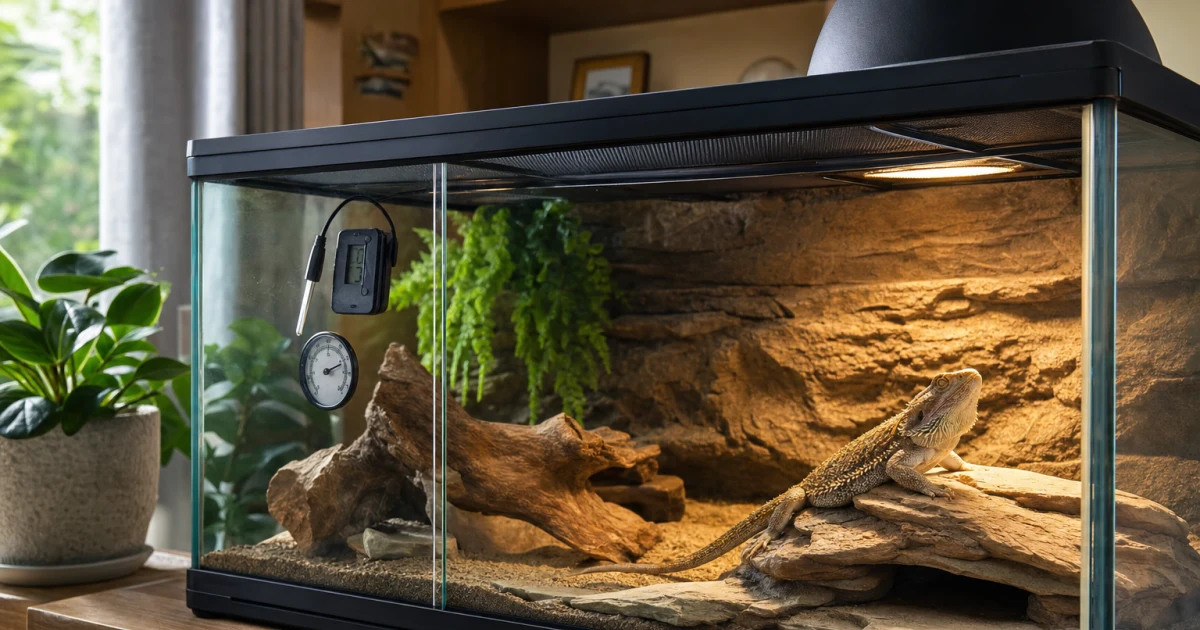
Other Pets · Habitat
Digital vs Analog Reptile Thermometers: Which Is Easier to Rely On?
Digital probe thermometers are usually easier to use for routine reptile habitat monitoring, but the sensor’s placement and the product’s stated accuracy matter more than the display type alone. Analog gauges can work as simple backup checks, while infrared thermometers are useful for spot-checking surfaces rather than replacing fixed probes.
Read guide →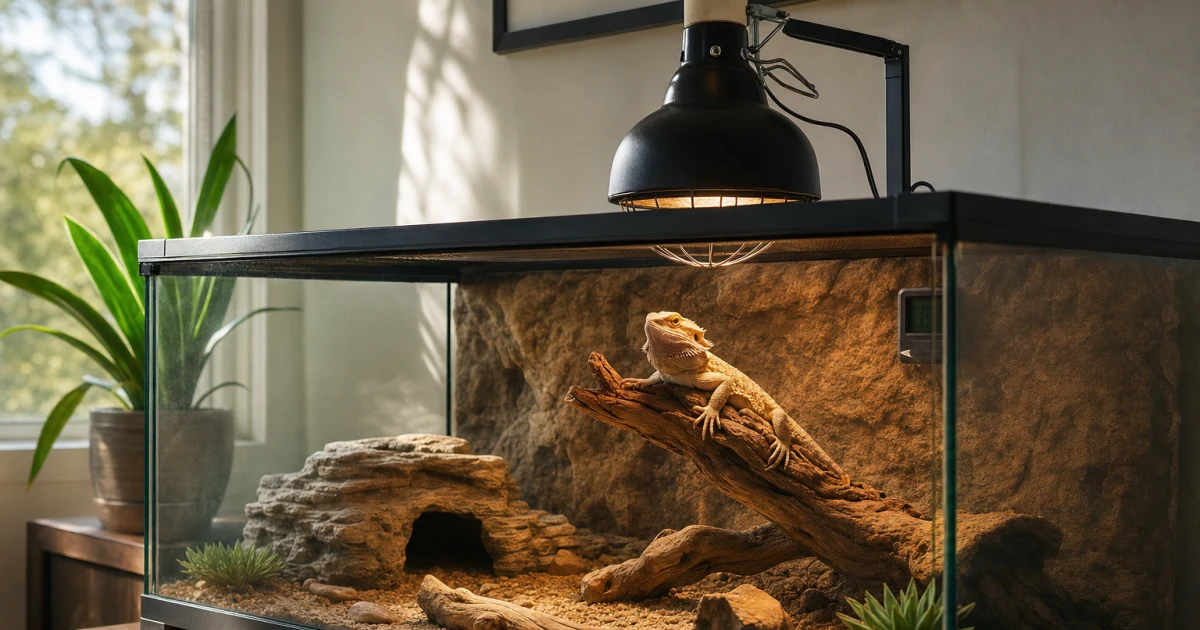
Other Pets · Habitat
Heat Mat vs Heat Lamp for Reptiles: What Changes by Setup?
A heat lamp is usually the better primary source for reptiles that bask, while a heat mat may help provide localized or nighttime warmth for suitable species. The right setup depends on species, enclosure, room temperature, and whether UVB lighting is already covered.
Read guide →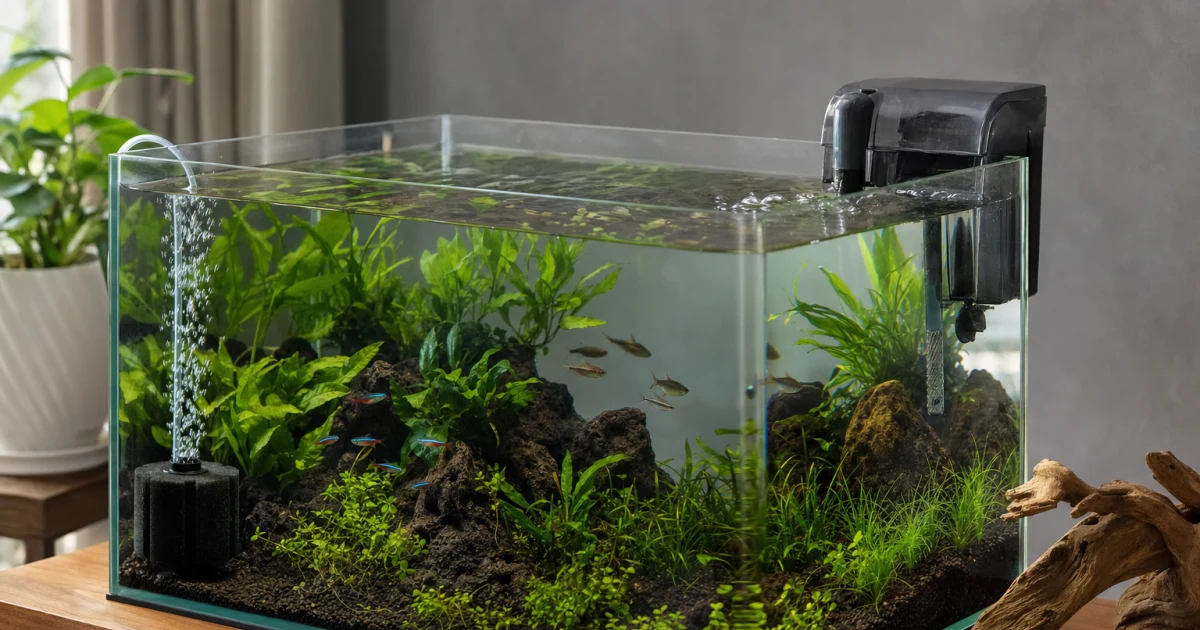
Other Pets · Aquatics
Sponge Filter vs Hang-On-Back Filter: Which Fits Your Aquarium?
Sponge filters prioritize gentle flow and simple biological filtration, while hang-on-back filters offer stronger circulation and more flexible mechanical, biological, and chemical media. The better choice depends on your livestock, tank layout, maintenance habits, and tolerance for visible equipment or air-pump noise.
Read guide →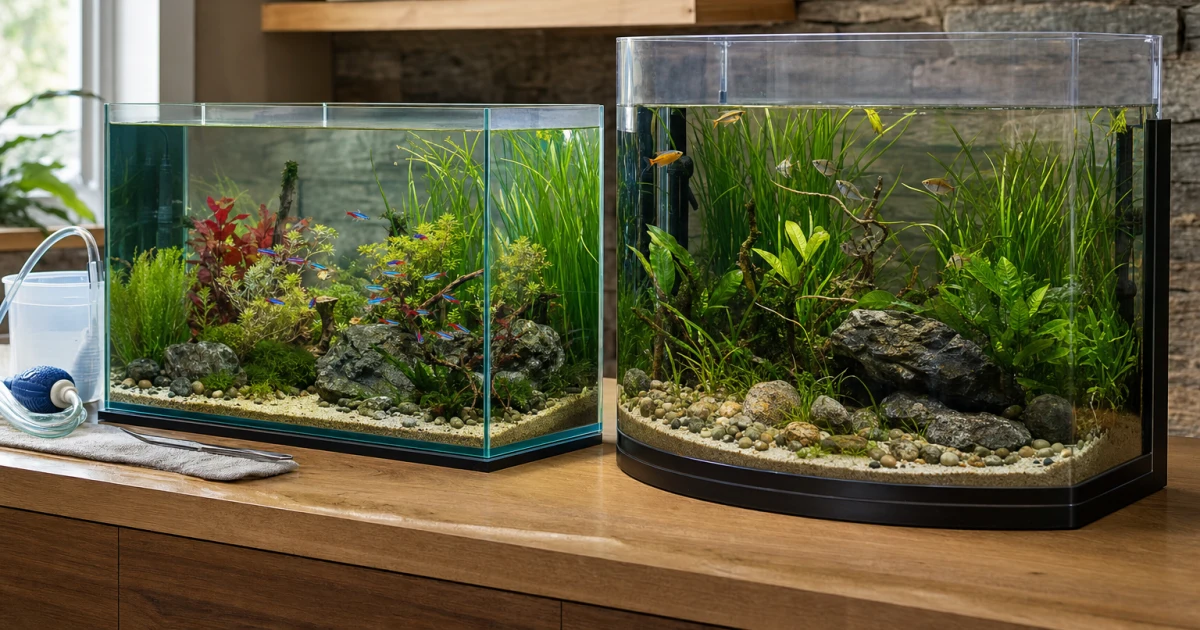
Other Pets · Aquatics
Glass vs Acrylic Aquarium: Which Trade-Offs Matter Most?
Glass is usually the practical choice for smaller, flat aquariums and scratch resistance. Acrylic becomes more compelling when low weight, impact resistance, curved shapes, or custom drilling matter most.
Read guide →